
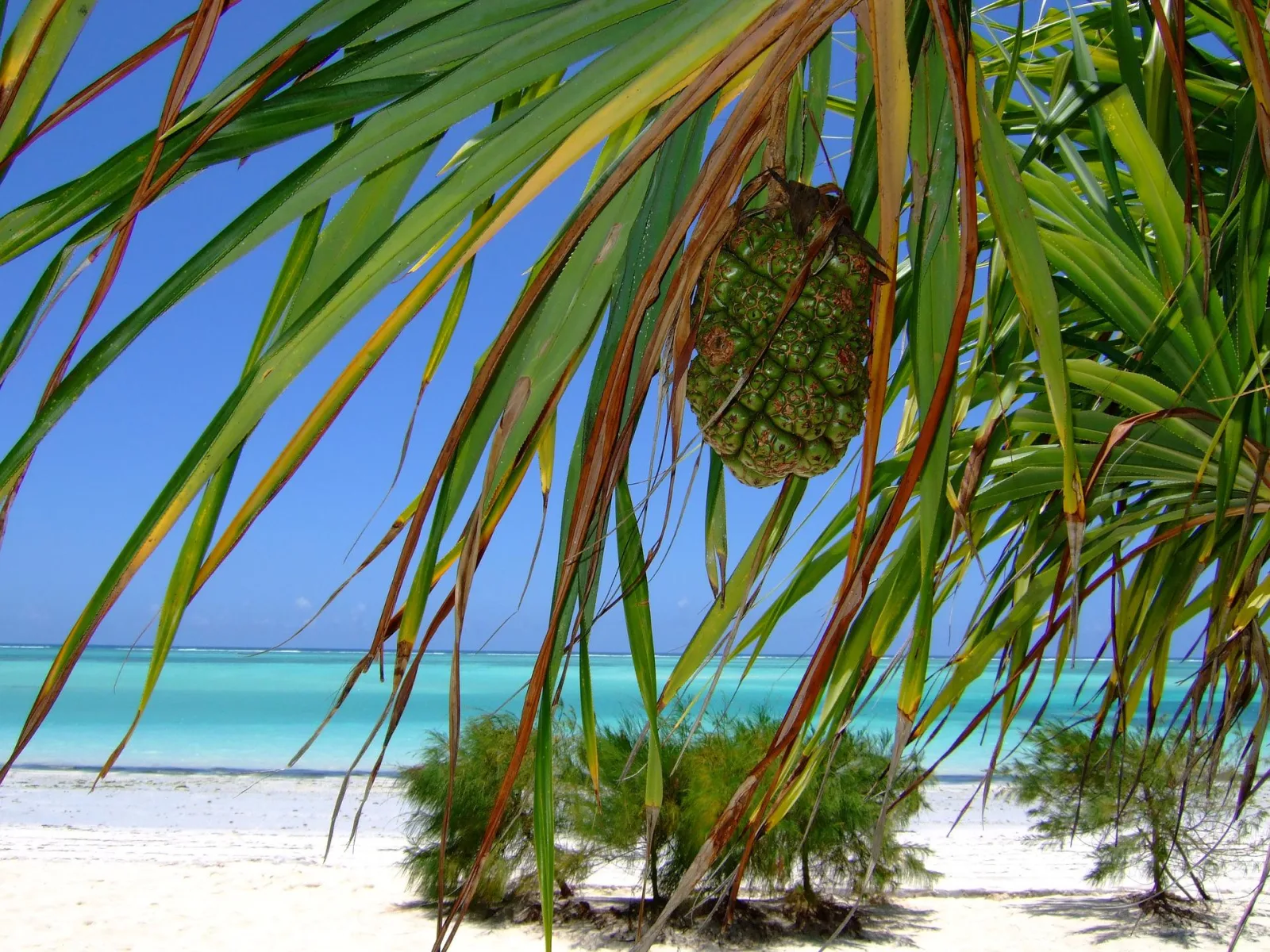
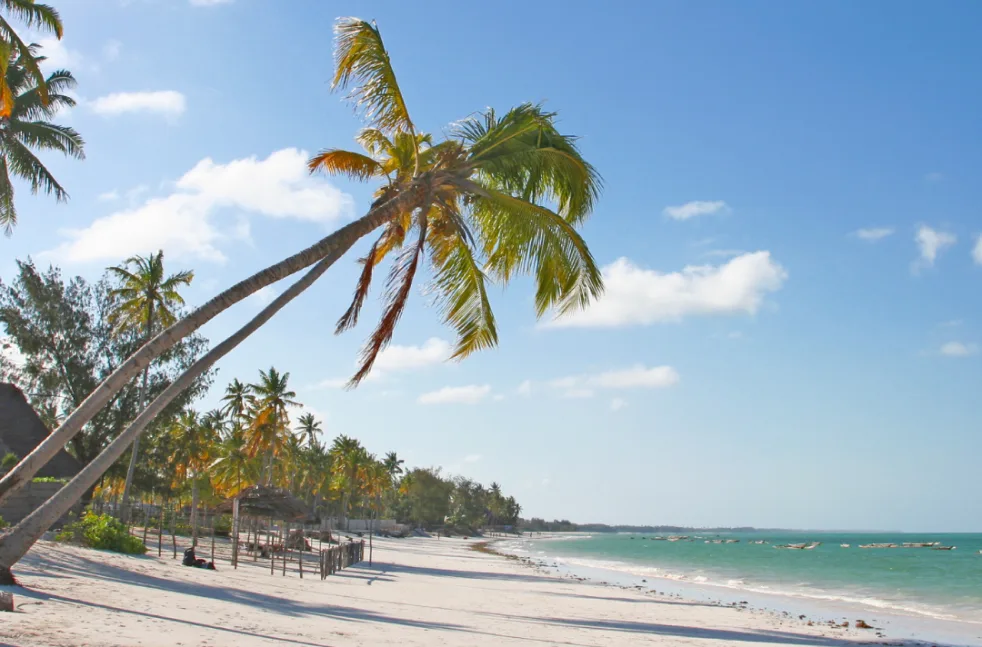
Zanzibar is the kind of place travellers think they already know: white sand, turquoise water and palm trees leaning towards the Indian Ocean. Yet the real island is far richer. Behind the postcard coast are centuries of Swahili history, spice farms, fishing villages, coral reefs, mangrove forest and food shaped by African, Arab, Indian and Persian influences.
This Zanzibar travel guide goes beyond the beach. It explains what makes the archipelago special, where to find its most rewarding experiences, when to visit and how African Visuals & Safaris can turn those ideas into a well-paced island holiday.
Why is Zanzibar worth visiting?
Zanzibar combines tropical beaches with UNESCO-listed Stone Town, working spice farms, rich Swahili culture and easy access to reefs, sandbanks and forest. A good first trip needs at least four or five days: one or two for culture and history, one for the ocean, and enough unplanned time to enjoy the coast.
Zanzibar beyond the postcard
Zanzibar is a semi-autonomous part of the United Republic of Tanzania. The archipelago lies in the Indian Ocean off the East African coast and includes two large islands, Unguja and Pemba, as well as many smaller islets. Unguja is the island most visitors simply call Zanzibar.
The coast may bring you here, but the island’s contrasts make you stay. A morning can begin among carved doors and market stalls in Stone Town, continue through a farm scented with cloves and cinnamon, and end barefoot beside the ocean. It feels easy-going, yet every part of the island carries a story.
Begin with Stone Town, the cultural heart of Zanzibar
Stone Town is not an attraction to rush through between the airport and the beach. Its narrow streets reveal coral-stone houses, mosques, churches, markets and ornate doors that reflect centuries of Indian Ocean trade. UNESCO recognises the old town for the way African, Arab, Indian and European influences meet in its urban fabric.
A local guide gives meaning to places such as Darajani Market, the Old Fort, Forodhani waterfront and the former slave-market site. Walk early or late in the day, dress respectfully and allow time to notice small workshops, courtyards and everyday life away from the busiest streets.
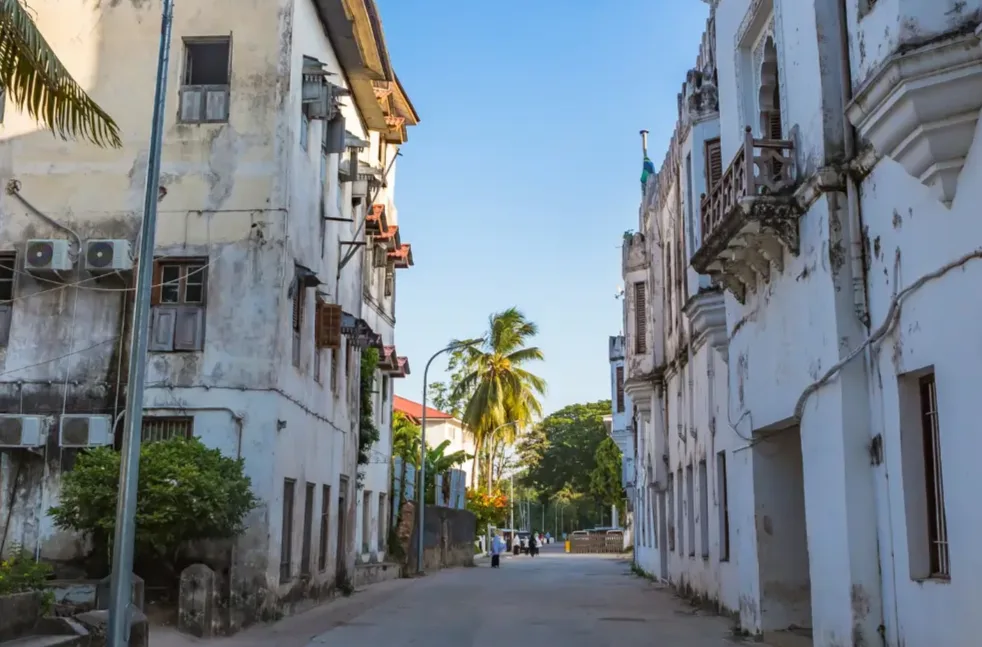
Our Zanzibar Cultural Deep Dive is designed for travellers who want stories and local context rather than a quick photo stop.
Follow the scent of the Spice Island
Cloves helped shape Zanzibar’s economy and identity, while farms across the island also grow vanilla, cinnamon, nutmeg, black pepper, cardamom and tropical fruit. A spice tour lets you see how familiar flavours grow and how local families use them in food, medicine and daily life.
Choose a guided working-farm visit that explains cultivation and offers a relaxed tasting. Spice farms pair naturally with Stone Town because both tell different parts of the same story: one about the land, the other about the trading city that carried Zanzibar’s flavours around the world.
Choose your Zanzibar beach by travel style
Zanzibar does not have one single beach experience. The north and east coasts feel very different, so the right base depends on how you want to spend your days.
- Nungwi: lively sunsets, restaurants, boat activity and convenient access to northern ocean trips.
- Kendwa: a broad beach and generally easier swimming across more of the tidal cycle.
- Paje: a social east-coast base known for kitesurfing, cafes and a dramatic tidal landscape.
- Jambiani: a long village-backed beach with a slower rhythm and strong sense of place.
- Michamvi: quieter corners and memorable sunsets around the peninsula.
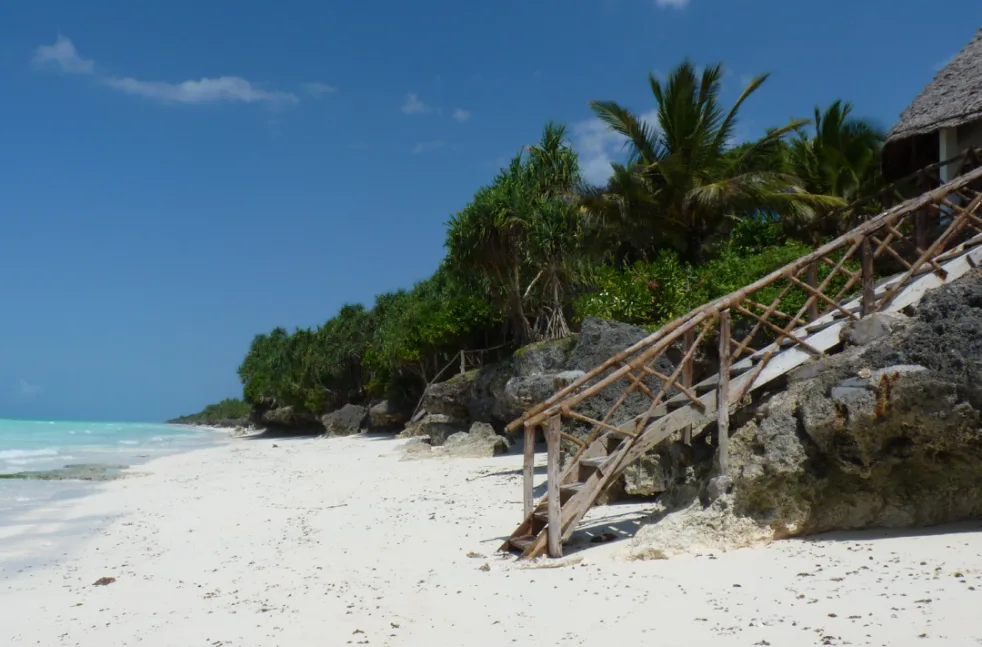
Tides matter most on the east coast. At low tide the ocean can retreat a long way, revealing reef flats and changing the view completely. Check the daily tide table before planning a swim or boat trip, and use a responsible local guide for reef walks.
Explore Mnemba, sandbanks and the Indian Ocean
Warm water and colourful reefs make snorkelling one of Zanzibar’s essential experiences. The waters around Mnemba are particularly popular, although visibility and marine sightings always depend on weather and sea conditions.
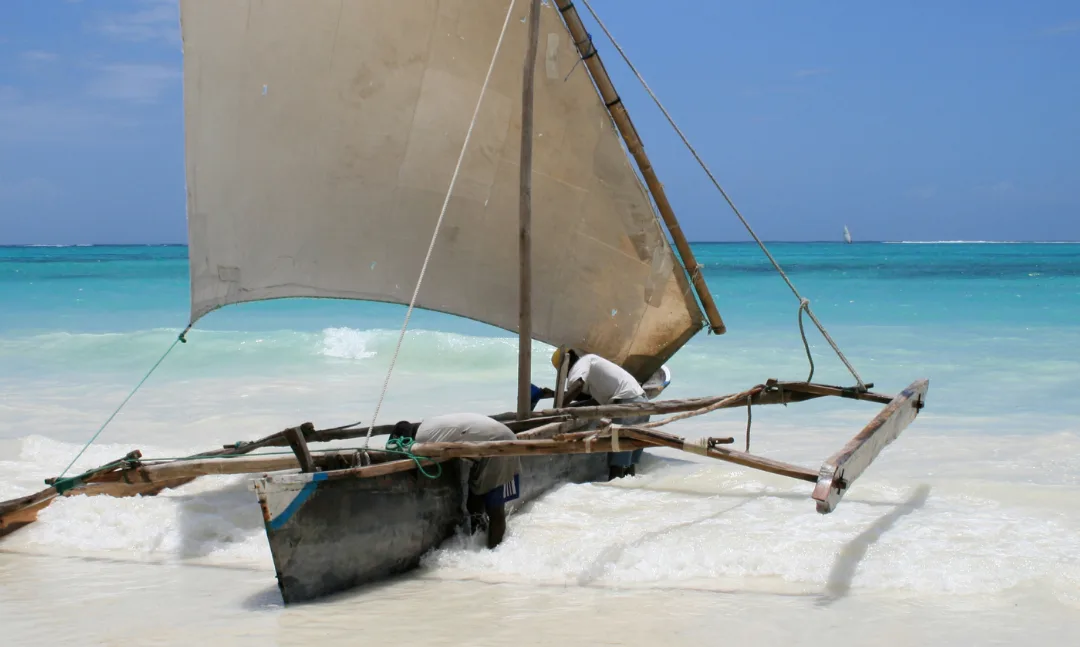
For a full day on the water, consider our Mnemba Island Dhow & Snorkelling Full-Day Tour. Travellers who want snorkelling, clear kayaks, jet skis or cinematic holiday footage can explore our Zanzibar Water Activities & Drone Visuals.
Private departures offer more control over pace and photography. Shared trips are often better value, but ask about group size, safety equipment, marine fees, meals and transfers before booking. Wildlife encounters are never guaranteed, and responsible operators do not chase or crowd dolphins.
Meet giant tortoises and Zanzibar’s rare wildlife
Prison Island, also known as Changuu, sits a short boat ride from Stone Town. Its historic buildings and giant Aldabra tortoises make it one of the island’s most accessible half-day outings. Treat the animals respectfully and follow the sanctuary’s guidance.
On Unguja, Jozani–Chwaka Bay is the best-known forest experience and an important habitat for the Zanzibar red colobus. A guided walk usually combines forest paths with mangrove scenery, giving beach-focused itineraries a refreshing change of landscape.
Taste Zanzibar through its food
Zanzibari cooking reflects the same cultural meeting visible in Stone Town. Look for pilau, biryani, coconut fish curry, grilled seafood, octopus, chapati, cassava, tropical fruit and spiced tea. At Forodhani Gardens, confirm prices before ordering and choose busy stalls where food is prepared fresh.
A market visit or cooking class adds more value than simply collecting restaurant names. You learn how spices move from farm to kitchen and why coconut, rice, seafood and slow-cooked sauces appear so often on the island table.
When is the best time to visit Zanzibar?
June to October is a popular period for drier weather and comfortable outdoor exploration. December to February is warmer and also suits many beach holidays. The longer rains are usually associated with March to May, while November often brings shorter showers. Tropical weather varies, so daily marine conditions should guide boat trips even during a generally dry month.
There is no single perfect month for every traveller. Divers care about visibility, kitesurfers follow wind seasons, photographers may prefer quieter beaches, and value-focused visitors may accept occasional rain in exchange for fewer crowds.
How to spend five days in Zanzibar
Arrive, settle in and take an evening walk around Stone Town and Forodhani.
Explore Stone Town with a guide, then visit a spice farm.
Snorkel near Mnemba or choose a private dhow and sandbank experience.
Visit Jozani Forest, a village or a different side of the coast.
Keep the final morning open for the beach before your departure.
If you prefer a ready-made island itinerary, see our Zanzibar Island Immersion. To combine wildlife on the mainland with a tropical finish, compare the 11-Day Tanzania Safari & Zanzibar.
Practical Zanzibar travel tips
- Sun protection: carry broad-spectrum high-SPF sunscreen, a hat, sunglasses and a light cover-up. Reapply after swimming.
- Cash and cards: cards are accepted at many hotels and established businesses, but cash remains useful for markets, small cafes and tips. Confirm possible card fees.
- Clothing: beachwear belongs at the beach. Cover shoulders and knees when walking through Stone Town and local villages.
- Power: Tanzania commonly uses Type G sockets. A universal adaptor is useful when your accommodation has limited outlets.
- Ocean safety: follow local advice on currents, tides and weather. Water shoes can help on some reef or shell-covered areas.
- Responsible travel: do not touch coral, feed wildlife or pressure guides to approach dolphins too closely.
Plan Zanzibar with African Visuals & Safaris
African Visuals & Safaris is based in Tanzania and creates personal island journeys that blend relaxation, culture and adventure. We can connect airport or ferry transfers, Stone Town, beach stays, local guides and ocean activities, then combine Zanzibar with Mikumi, Nyerere, Serengeti or Ngorongoro.
Local expertise
Our Tanzania-based team connects the island’s recognised highlights with local guides, realistic transfer times and experiences planned around tides and weather.
Tailored experiences
From honeymoons and family holidays to private dhow days and visual storytelling, we shape the pace and inclusions around your interests.
Responsible travel
We favour local expertise, respectful cultural visits and marine operators that put guest safety, wildlife and the ocean environment first.
For more inspiration, explore our Tanzania and Zanzibar travel guides or browse all Tanzania tours and island experiences.
Zanzibar travel FAQs
How many days are enough for Zanzibar?
Four or five days are enough for Stone Town, one ocean experience and relaxed beach time. Seven days are better if you want two coastal areas, more activities or several slow days after a safari.
Is Zanzibar only a beach destination?
No. Beaches are a major attraction, but Stone Town, spice farms, Jozani Forest, Swahili food and village life give the island much of its character.
Which Zanzibar beach has the least noticeable tides?
Northern beaches around Nungwi and Kendwa generally offer easier swimming across more of the tidal cycle than many east-coast beaches. Conditions still change, so follow local advice.
Can Zanzibar be combined with a Tanzania safari?
Yes. Zanzibar connects well with mainland safari circuits by scheduled or charter flight. It is a popular finish after early starts and road travel in Tanzania’s parks.
Can African Visuals & Safaris arrange a private Zanzibar trip?
Yes. We can arrange private guiding, transfers, ocean activities, cultural visits, beach stays and combined safari-and-island itineraries based on your dates and budget.
Planning references: UNESCO: Stone Town of Zanzibar and the Zanzibar Commission for Tourism.
Ready to discover your own Zanzibar?
Share your travel dates, number of guests and the experiences you like. African Visuals & Safaris will shape them into a practical island plan and quotation.
