Pemba Island is Zanzibar’s quieter, greener sister: a place of clove farms, mangrove creeks, historic Swahili ruins and deep blue channels dropping beside coral reefs. It rewards travellers who value nature, culture and space more than busy resort nightlife.
Is Pemba Island worth visiting?
Yes—especially if you want an uncrowded Indian Ocean experience with exceptional diving, community-led nature visits, spice farms and living Swahili culture. Pemba requires more planning than Unguja, the main island commonly called Zanzibar, but that remoteness is a large part of its appeal.
An island that moves at its own rhythm
Pemba sits north of Unguja in the Zanzibar Archipelago. Often called the Green Island, it is shaped by fertile hills, clove trees, banana groves, coconut palms and small farming communities. Fishing boats and traditional ngalawa outriggers work the coast, while the towns of Chake Chake, Wete and Mkoani remain closely connected to everyday island life.
The scent of cloves drying in the sun, the sound of a call to prayer and the sight of fishing dhows returning at dusk give Pemba a strong sense of place. Tourism is smaller and more dispersed here. Roads, transfers and excursions take time, but visitors receive something increasingly rare: a tropical island experience that still feels rooted in its own culture.
Deep channels, coral walls and clear water make Pemba a serious destination for certified divers and keen snorkellers.
A protected marine area known for coral reefs, forest, a quiet beach and boat-based snorkelling or diving excursions.
Guided farm and village visits reveal how spices, fishing, faith and Swahili traditions shape daily life.
Ngezi Forest and community conservation sites such as Kidike protect distinctive island habitats and the endemic Pemba flying fox.
How to get to Pemba Island
Pemba is separated from both mainland Tanzania and Unguja by sea, so your arrival should be planned before booking accommodation.
Scheduled light-aircraft services use Pemba Airport near Chake Chake. Connections commonly operate from Zanzibar and Dar es Salaam, subject to the current airline timetable.
Passenger services may operate between Unguja and Pemba, but schedules and sea conditions can change. Confirm the operator, vessel, port and departure time before relying on a ferry.
Some remote resorts require a road transfer followed by a boat. Share your flight details early so every stage can be coordinated before arrival.
Private vehicles with a local driver are the most practical choice for island touring. Journey times can be longer than the distance suggests.
We recommend flying for the most predictable arrival. Avoid building a tight same-day international connection around a domestic flight or ferry; one weather or schedule change can affect the whole journey.
Diving and snorkelling in Pemba
Pemba’s underwater geography is its defining adventure. Reefs rise beside deep channels, and some dive sites feature walls, drop-offs and currents. Experienced divers may encounter dense coral gardens, schooling fish, turtles, rays, barracuda and other pelagic life. Marine sightings and visibility always depend on season and sea conditions.
- Choose a reputable dive centre that checks certification, experience, equipment and current conditions before selecting a site.
- Drift and wall dives may require advanced skills. Never choose a site only because its photographs look dramatic.
- Snorkellers should use a guide who understands tides, currents and safe entry points.
- Travel insurance should specifically cover scuba diving to your planned depth, treatment and emergency evacuation.
- Protect the reef: do not stand on coral, chase marine animals or leave plastic and fishing line behind.
Misali Island day trip
Misali Island lies off Pemba’s west coast and forms part of a protected marine landscape. A well-planned excursion may combine snorkelling, a beach stop and a guided forest walk, depending on tides, sea state, permits and local conservation rules.
Misali is reached by boat, so departure points and journey times vary with your accommodation. We confirm the licensed operator, safety equipment, park or conservation fees, lunch, snorkelling gear and guide before quoting the trip. Poor weather may require postponement or an alternative activity.
Nature, history and culture on land
Explore northern Pemba’s remaining natural forest with a local guide and listen for endemic birds among dense tropical vegetation.
A community-based visit offers the chance to observe the endemic Pemba flying fox at its roost while supporting local conservation.
Pujini, Chwaka and Mkama Ndume preserve traces of Pemba’s long Swahili trading history. Visit with a knowledgeable guide and treat the sites respectfully.
Walk through a working spice landscape and learn how cloves, cinnamon, fruit and other crops are grown, harvested and used.
Chake Chake is the island’s main administrative and commercial centre, while Wete and Mkoani offer different views of Pemba’s markets, ports and daily routines. These are living communities rather than staged attractions. Ask before photographing people and support locally owned guides and businesses where possible.
Beaches and the north coast
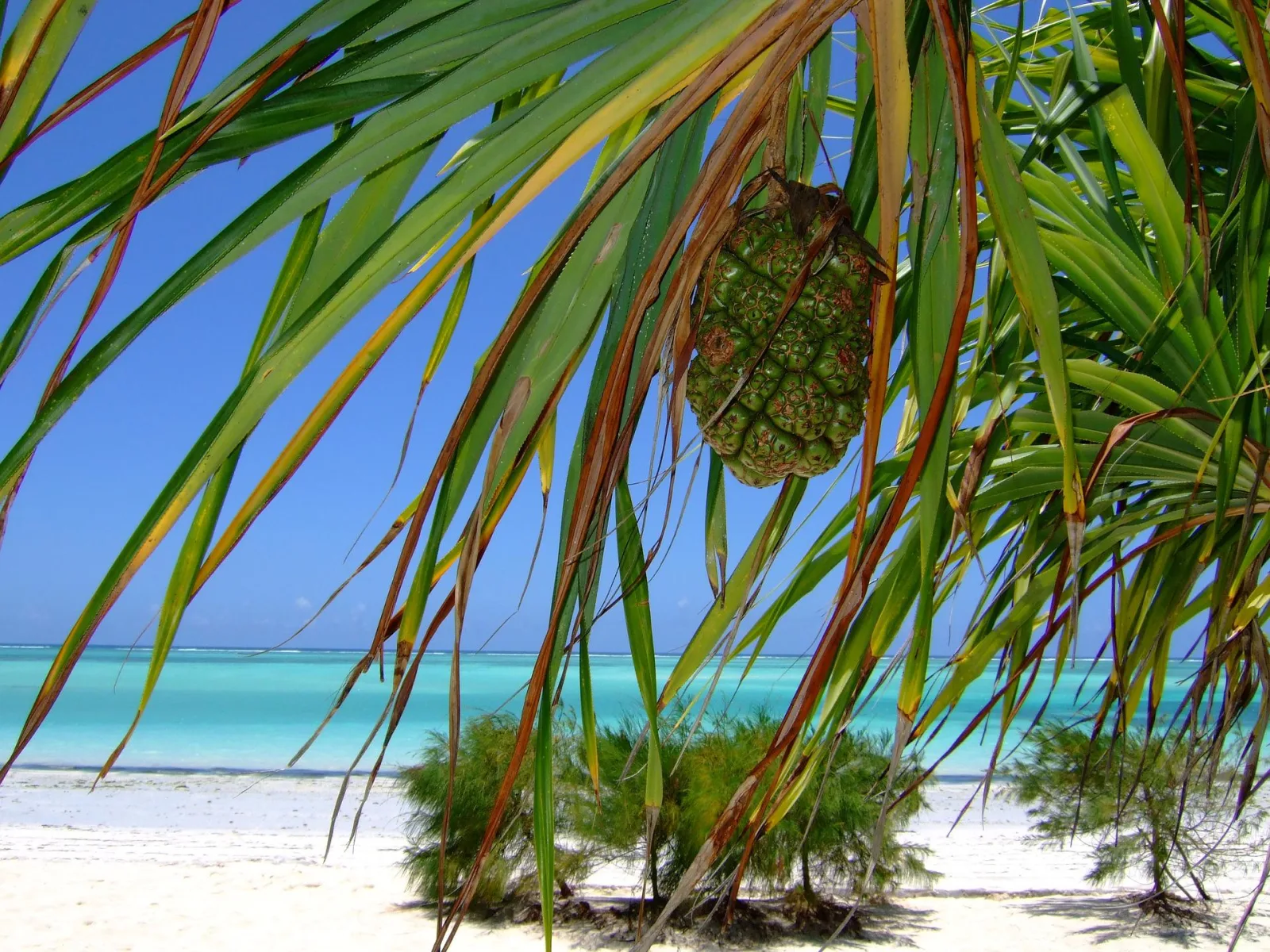
Pemba’s coast is more indented and mangrove-fringed than the long resort beaches associated with parts of Unguja. Its best beach experiences may be small coves, sandbanks or stretches attached to a remote lodge. The northern coast combines pale sand, forest and access to offshore reefs, creating a strong base for travellers who want privacy and water activities.
Tides influence swimming, boat access and the appearance of the shoreline. Reef shoes can be useful, and guests should follow local advice about currents, sea urchins and safe swimming areas.
Best time to visit Pemba Island
The main dry season generally brings comfortable weather for island touring, forest walks, beaches and boat excursions.
Many dive operators value this period for warmer water and often good visibility, although local conditions vary by site and day.
Short rains can arrive in bursts between sunny periods. Confirm boat conditions and keep activities flexible.
The long rains can bring heavier showers, rougher logistics and seasonal lodge closures. Check accommodation and transport before booking.
Pemba can be visited for much of the year, but the best month depends on whether your priority is diving, beach time, island touring or lower visitor numbers.
How many nights do you need?
Allow at least three nights, and preferably four or five. Arrival and departure can consume significant time, especially when a lodge requires both road and boat transfers. A longer stay provides a weather buffer and lets you combine one or two marine days with a cultural or nature excursion.
Pemba works beautifully after a mainland Tanzania safari or as a quieter alternative to a conventional Zanzibar beach stay. If you want to compare the islands, read our Zanzibar travel guide and explore the main Zanzibar destination page.
Where to stay on Pemba Island
Accommodation is limited compared with Unguja, and location matters. A resort in the north is convenient for northern reefs and forest experiences, while a south-western lodge offers different access to Misali and the island’s channels.
A secluded northern Pemba retreat associated with reef experiences and its distinctive offshore Underwater Room.
A remote south-western barefoot-luxury lodge reached by road and boat, with an established dive centre and access toward Misali.
A northern beach resort in Makangale that can suit travellers seeking a quieter coastal base near forest and ocean activities.
Chake Chake and Wete have smaller hotels and guesthouses for travellers prioritising local life, work, heritage or a simpler budget.
Some properties close during part of the rainy season or apply minimum stays. We confirm current opening dates, transfer arrangements, meal plans, child policies, diving packages and cancellation terms before requesting payment.
Culture, clothing and responsible travel
Pemba is predominantly Muslim and culturally conservative. Resort beachwear is appropriate inside hotel grounds, but shoulders and knees should be covered in towns, villages, markets and heritage sites. During Ramadan, be especially considerate about eating, drinking and smoking in public during daylight hours.
- Learn a few Swahili greetings; a warm Habari or As-salaam alaikum is appreciated.
- Ask permission before photographing people, homes, fishing crews or religious places.
- Use community guides and buy crafts or produce directly where appropriate.
- Carry some Tanzanian shillings because card facilities and ATMs can be limited outside the main towns and larger resorts.
- Read our Tanzania visa and travel safety guide before arranging flights and insurance.
Pemba’s limited flights, ferries, rooms and dive capacity are part of what keeps the island quiet. Book the transport and accommodation as one connected plan, and leave room for weather-related changes.
Pemba Island travel FAQs
Is Pemba Island the same as Zanzibar?
Pemba is one of the two main islands of the Zanzibar Archipelago. Unguja is the larger island most visitors mean when they say “Zanzibar”. Pemba lies farther north and offers a quieter, less-developed experience.
How do you get to Pemba Island?
The most convenient option is normally a scheduled light-aircraft flight to Pemba Airport near Chake Chake, commonly connecting from Zanzibar or Dar es Salaam. Ferries may operate from Unguja, but the current timetable, vessel and sea conditions should be confirmed before travel.
How many nights should I spend on Pemba?
Three nights is a practical minimum, while four or five gives better value for the transfers and allows time for diving or snorkelling, Misali Island, a forest or spice visit and a relaxed beach day.
Is Pemba good for beginner divers?
Some sites may suit beginners, while Pemba’s walls, depth and currents can make other sites appropriate only for experienced divers. A reputable dive centre will review your certification and recent experience before choosing the day’s site.
Can non-divers enjoy Pemba Island?
Yes. Snorkelling, beaches, spice farms, historic ruins, village visits, mangroves, Ngezi Forest and Kidike flying-fox conservation visits provide plenty to do away from scuba diving.
When is the best time to visit Pemba?
June to October is generally best for dry-season island travel. Divers may also favour parts of October to March for warm water and often good visibility. April and May bring the main rains, and some properties close seasonally.
Is Pemba Island suitable for families?
It can be, but choose accommodation carefully. Some remote lodges have minimum ages, long boat transfers or diving-focused programmes. We match the property and activities to the children’s ages, swimming ability and the family’s preferred pace.
Ready to discover Pemba Island?
Share your travel dates, diving experience, group size and preferred comfort level. African Visuals & Safaris will coordinate flights, transfers, accommodation and island experiences into one clear itinerary.