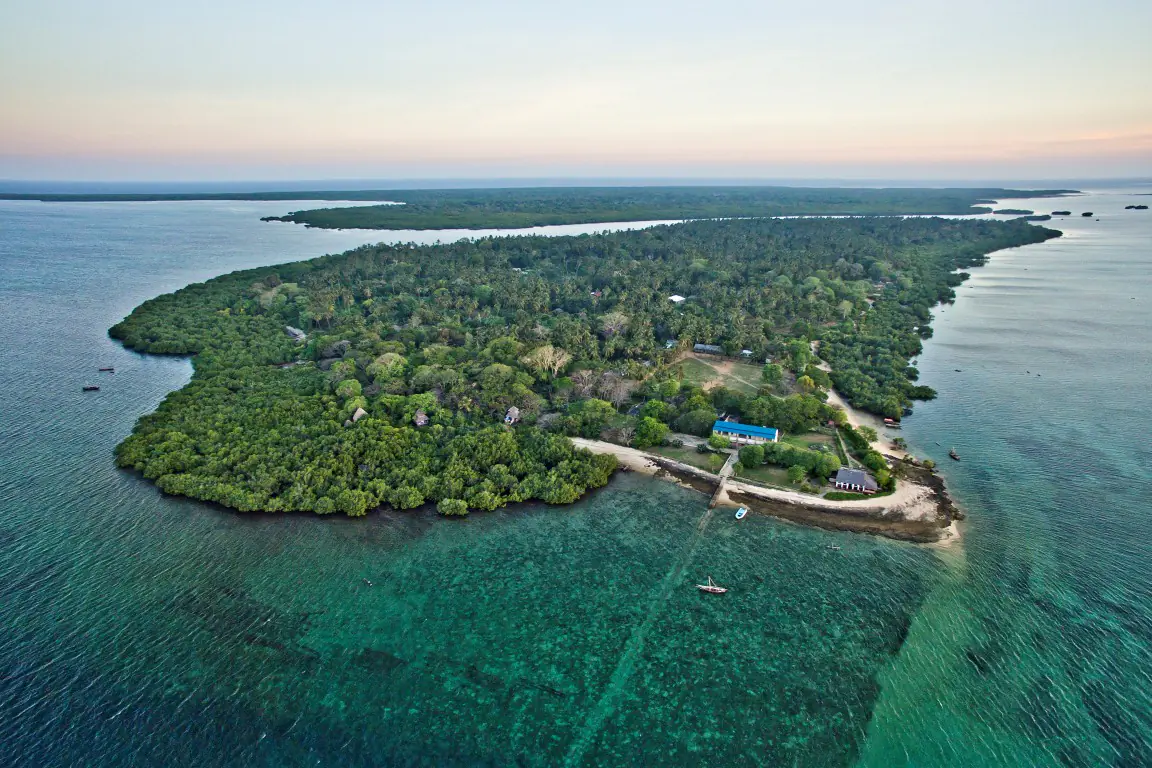
Ruaha National Park is southern Tanzania at its wildest: an immense landscape of ancient baobabs, rocky hills, miombo woodland and seasonal rivers converging on the Great Ruaha River. Large elephant and buffalo herds, powerful lion prides and unusual antelopes share a remote park where patient game drives often unfold with very few other vehicles.
Why visit Ruaha National Park?
Choose Ruaha for a quieter, deeper safari rather than a quick wildlife checklist. At approximately 20,226 square kilometres, it is Tanzania’s second-largest national park. The Great Ruaha River and its tributaries shape the wildlife experience, especially in the dry season when elephants, buffalo, antelope and predators concentrate near remaining water. Three or four nights allow the distance and cost of reaching Ruaha to reward you properly.
A vast wilderness shaped by water
Ruaha takes its name from the Great Ruaha River, which follows part of the park’s southeastern boundary. River pools, sand-river seeps and tributaries such as the Mwagusi, Mdonya and Jongomero become critical lifelines as the dry season advances. Elephants may dig for water in sandy channels, while game gathers beneath palms, figs, acacias and sausage trees along the river lines.
The park expanded in 2008 to include the former Usangu Game Reserve, protecting the Ihefu wetlands, the Great Ruaha catchment and a wider range of habitats. Ruaha now contains open plains, rocky kopjes, baobab savannah, seasonal wetlands and extensive miombo woodland. Its location at the meeting point of eastern and southern African ecosystems explains much of its unusual wildlife diversity.
Permanent pools and shrinking dry-season channels draw wildlife and create the park’s best-known game-viewing corridor.
Ruaha is renowned for lion prides, with leopard, cheetah, spotted hyena and African wild dog also present.
Greater and lesser kudu, sable and roan antelope reflect the meeting of eastern and southern wildlife ranges.
Long distances and lower vehicle density reward travellers who value silence, space and unhurried observation.
Ruaha’s wildlife
Ruaha supports large populations of elephant and buffalo, along with giraffe, zebra, impala, waterbuck, eland and warthog. Hippos and Nile crocodiles occupy river pools, while ostrich and Grant’s gazelle can be found in suitable open country.
The park is especially compelling for experienced safari travellers because several species that are uncommon on northern-circuit itineraries occur here. Greater kudu are strongly associated with Ruaha, while lesser kudu, sable and roan antelope may appear in woodland and transitional habitats. These animals are naturally more difficult to find than plains grazers, so multiple game drives and a knowledgeable guide make a real difference.
Lions are a defining presence, but every predator sighting remains wild and unpredictable. Leopard favour riverine cover and rocky country. Cheetah use more open areas, and African wild dogs roam across large territories. The strongest safari plan leaves time to follow tracks, listen to guide reports and return to promising areas rather than racing between landmarks.
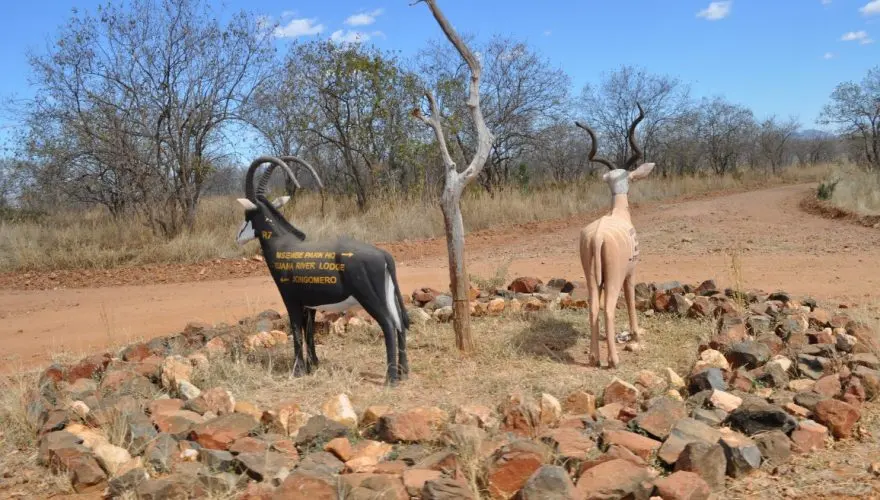
More than 570 bird species
Ruaha is one of Tanzania’s major birding destinations, with more than 570 species recorded. River corridors, wetlands, rocky ridges, open savannah and miombo woodland support very different bird communities. Look for raptors, hornbills, rollers, bee-eaters, kingfishers, storks, vultures and seasonal migrants.
Birding is rewarding throughout the year. The wetter months add colour, breeding activity and migrant species, while dry-season water sources concentrate birds and mammals in the same areas. Bring binoculars even when wildlife is your main interest.
Best time to visit Ruaha
June to October: concentrated wildlife
The dry season is the most popular time for a Ruaha safari. Vegetation thins, tracks are generally easier and wildlife gathers along the Great Ruaha River, tributaries and remaining pools. Mornings can feel cool, while heat and dust build later in the season. Peak camps and flights should be booked early.
November to February: green season
Short rains transform the landscape, new grass spreads and bird activity increases. Photography benefits from colour and dramatic skies, visitor numbers may fall and some lodges offer seasonal value. Wildlife becomes more dispersed as water returns across the park.
March to May: main rains
Heavy rain can make some tracks difficult or impassable, particularly in remote sectors, and some camps close seasonally. Ruaha remains open, but road itineraries require flexibility and a 4×4. Confirm flights, camp operations and transfer arrangements before booking.
The Great Ruaha River is the park’s lifeline, but flows and pools change seasonally and can become very low late in the dry season. That natural cycle concentrates wildlife, while long-term water protection remains central to the ecosystem’s future.
How to get to Ruaha National Park
Fly to Ruaha
Scheduled and charter light-aircraft flights are the most convenient choice. Msembe and Jongomero are the principal airstrips used by safari camps, with routes commonly connecting through Dar es Salaam, Zanzibar or other parks. Exact schedules change by season, and light aircraft apply strict soft-bag luggage limits.
Drive from Iringa
Ruaha lies west of Iringa in south-central Tanzania. The road journey commonly takes about two to three and a half hours via Tungamalenga, depending on your gate, lodge, weather and road conditions. A 4×4 is recommended, especially during the rains, and arrival must be planned before the park gate closes.
Road safari from Dar es Salaam
A direct Dar es Salaam–Ruaha road journey is long and should not be treated as a simple transfer. A better overland itinerary breaks the route through Mikumi National Park, the Udzungwa Mountains or Iringa. Travellers with fewer days gain much more safari time by flying.
Safari experiences in Ruaha
- Game drives: explore river corridors, sand rivers, baobab plains, kopjes and miombo woodland with an experienced driver-guide.
- Guided walking safaris: follow tracks, plants, birds and smaller details in authorised zones with a qualified armed guide.
- Birdwatching: combine riverine, wetland, savannah and woodland habitats for one of Tanzania’s richest bird lists.
- Photography: use Ruaha’s open skies, baobab silhouettes, dusty riverbeds and lower vehicle density for patient image-making.
- Stargazing: remote camps and limited artificial light create excellent night skies.
- Special camp activities: fly-camping, night drives, Usangu wetland experiences and other activities depend on the lodge, season and current permits.
Walking, night activities and remote excursions must be arranged with authorised operators. We confirm minimum ages, fitness requirements, private-guide fees and what is included before quoting.
How many nights do you need?
Possible for a short fly-in visit, but travel times leave limited flexibility and fewer opportunities to explore beyond one area.
A strong minimum that provides two full safari days plus arrival and departure game-drive transfers.
Ideal for a slower pace, varied habitats, walking or specialist activities and time to respond to wildlife movement.
Best for photographers, repeat safari travellers or combining central Ruaha with Jongomero, Usangu or another remote sector.
Where to stay in Ruaha
Ruaha offers public and special campsites, park bandas and a collection of tented camps and lodges. Accommodation clusters around different game-viewing areas, including Msembe, the Mwagusi and Mdonya systems, Jongomero and the wider Usangu landscape. Location affects flight transfers, daily driving distance and which activities are practical.
Useful for classic river and plains game drives, with access around Msembe and established wildlife circuits.
River systems, woodland and dry-season wildlife create a strong base for multi-night safari camps.
A remote southern setting for travellers seeking fewer vehicles, longer stays and a deeper wilderness atmosphere.
Wetland and conservation-focused experiences may include specialist activities offered by selected camps and guides.
Camp names, opening dates and activity programmes change. We confirm the exact location, airstrip transfer, room type, meal plan, child policy and seasonal operation before requesting payment.
Combine Ruaha with southern Tanzania
Ruaha pairs naturally with Nyerere National Park. Flights can connect the two parks to create a southern safari combining Ruaha’s baobabs, predators and sand rivers with Nyerere’s Rufiji waterways and boat experiences. Three or four nights in each park gives the route depth.
For an overland journey, connect Dar es Salaam, Mikumi, Udzungwa, Iringa and Ruaha with realistic transfer days. To finish beside the ocean, fly onward to Zanzibar. Explore our Tanzania safari tours, then ask us to adapt the route around Ruaha, Nyerere and your travel dates.
Responsible travel and practical advice
- Stay on authorised tracks, respect speed limits and follow ranger and guide instructions.
- Do not crowd predators, request off-road driving or disturb animals at water sources.
- Carry sun protection, insect repellent, reusable water bottles and warm layers for early drives.
- Use soft luggage and confirm weight limits before any light-aircraft flight.
- Choose insurance that covers safari activities, remote medical treatment and evacuation.
- Check current park fees and travel conditions through the official TANAPA Ruaha visitor guide.
Ruaha National Park FAQs
Is Ruaha the largest national park in Tanzania?
No. Ruaha covers approximately 20,226 square kilometres and is Tanzania’s second-largest national park. Nyerere National Park is larger. Older travel material may still describe Ruaha as the largest.
What is Ruaha National Park famous for?
Ruaha is known for its vast wilderness, Great Ruaha River, large elephant and buffalo herds, powerful lion prides, baobab landscapes and special antelopes including greater and lesser kudu, sable and roan.
When is the best time to visit Ruaha?
June to October is generally best for concentrated wildlife around rivers and remaining pools. The wetter months bring greener scenery and excellent birding, but some tracks and camps may be affected by rain.
How many nights should I spend in Ruaha?
Three nights is a good minimum and four is better. The park is large and relatively remote, so a longer stay gives better value from the flights or road journey and allows more varied activities.
How do I get to Ruaha National Park?
Scheduled or charter flights serve Msembe and Jongomero airstrips. By road, the park is roughly two to three and a half hours from Iringa via Tungamalenga, depending on season, gate and lodge location.
Can I see wild dogs in Ruaha?
African wild dogs occur in Ruaha, but they range over large territories and sightings are never guaranteed. Multiple nights and an experienced guide improve your chances of finding less predictable wildlife.
Is Ruaha suitable for a first safari?
Yes, especially for travellers comfortable with light-aircraft flights or longer road journeys. It offers major wildlife with fewer vehicles, although families should check age limits for walking and remote camps.
Can I combine Ruaha with Nyerere and Zanzibar?
Yes. Bush flights make a Ruaha–Nyerere–Zanzibar itinerary practical. Allow at least three nights in each safari park and enough connection time around seasonal flight schedules.
Plan your Ruaha safari
Share your dates, group size, preferred comfort level and whether you want Ruaha alone or combined with Nyerere, Mikumi or Zanzibar. African Visuals & Safaris will design the route, coordinate flights and camps, and send a clear quotation.