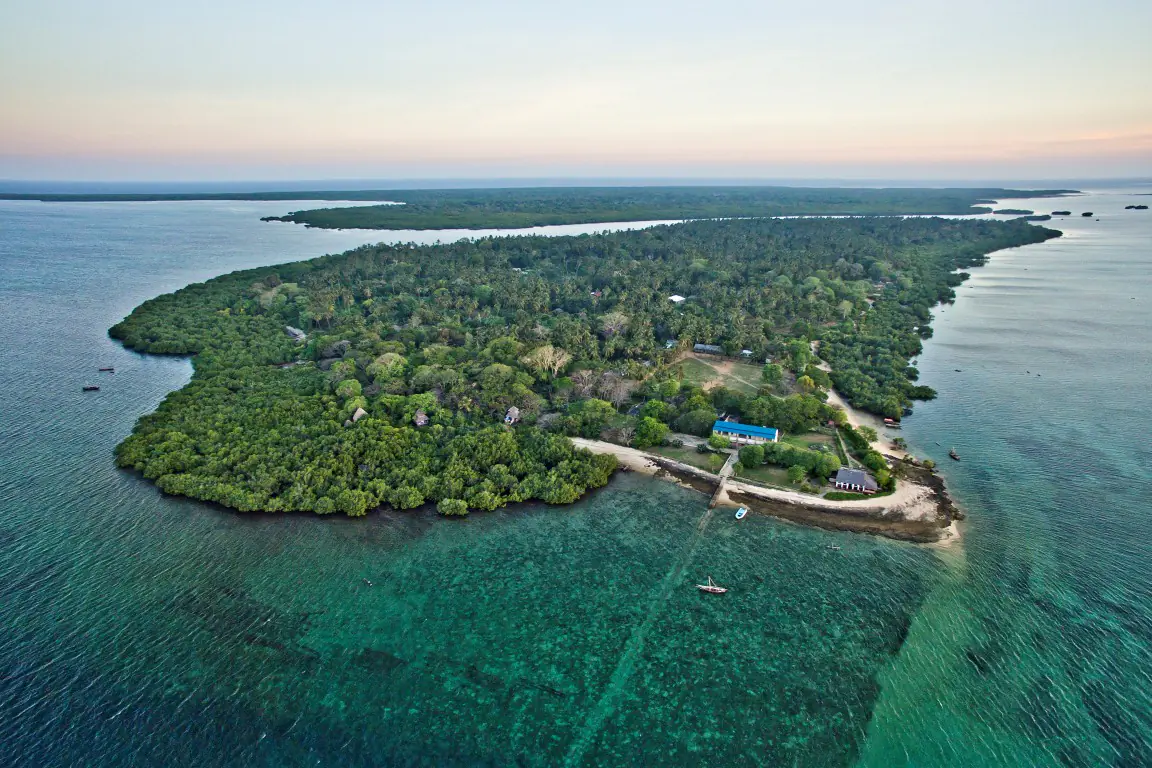
Zanzibar is an Indian Ocean journey with many layers: the carved doors and trading history of Stone Town, spice farms scented with cloves and cinnamon, red colobus monkeys in Jozani, fishing villages shaped by the tides and beaches that change character from north to east. Choose the right coast and Zanzibar can be a cultural discovery, an active ocean holiday, a quiet honeymoon or the perfect final chapter after safari.
Which part of Zanzibar is best to stay in?
Stay in Stone Town for history, food and easy airport access; Nungwi or Kendwa for a lively north-coast beach stay with less dramatic tidal change; Matemwe for a quieter northeast base near Mnemba excursions; Paje or Jambiani for kitesurfing, village atmosphere and long tidal beaches; or Michamvi for a slower retreat. A split stay of one or two nights in Stone Town plus four or more nights on the coast gives the most complete first visit.
Why Zanzibar deserves time
Zanzibar is a semi-autonomous archipelago within Tanzania. Its largest island, Unguja, is commonly called Zanzibar Island and is the focus of this guide. Pemba has its own quieter identity, while Mafia Island lies farther south and is not part of Zanzibar.
For centuries, monsoon winds connected Zanzibar with mainland Africa, Arabia, India and the wider Indian Ocean. That movement shaped Swahili language, cuisine, architecture and commerce. Today the same island can offer a dawn fish market, a spice-farm lunch, a reef excursion and an evening beside the sea, but it rewards travellers who understand distances, tides and the differences between coasts.
A UNESCO-listed Swahili trading town of narrow lanes, coral-stone buildings, markets, seafront spaces and layered history.
Northern swimming beaches, tidal eastern shores, quiet southeastern villages and reef-rich marine areas suit different travellers.
Farm visits reveal cloves, vanilla, cinnamon, nutmeg and tropical fruits while local food brings African, Arab and Indian influences together.
Dhow sailing, snorkelling, diving, sandbanks, kayaking, kitesurfing and sunset cruises can be matched to tide, season and ability.
Stone Town: Zanzibar’s cultural heart
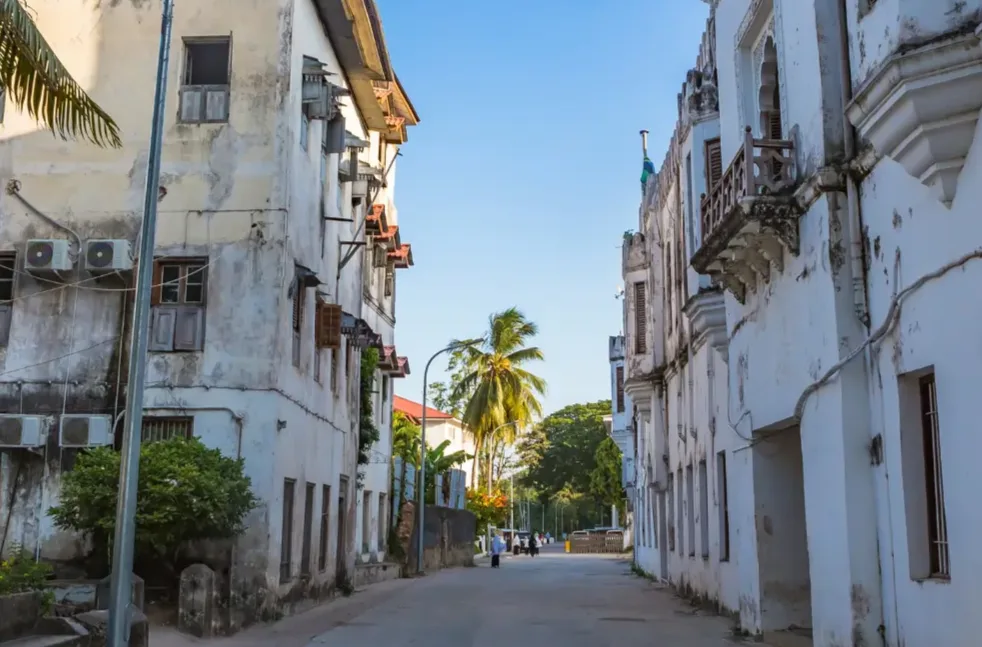
Stone Town was inscribed as a UNESCO World Heritage Site in 2000. Its urban fabric reflects centuries of exchange between African, Arab, Indian and European cultures. The value is not a single monument but the whole living town: closely built houses, carved doors, inner courtyards, bazaars, places of worship and a waterfront linked to Indian Ocean trade.
A good walking tour gives context to places such as the Old Fort, former sultan’s palace, Anglican Cathedral area, Darajani Market and Forodhani Gardens. Opening conditions can change at historic buildings, so the route should be adapted on the day rather than promising entry everywhere.
Stone Town is also the best place to explore Zanzibari food. Try spiced tea, fresh fruit, seafood, urojo, pilau and dishes built around coconut. Read our Swahili food guide before visiting a local market or restaurant.
Choose the right Zanzibar coast
Nungwi and Kendwa: north-coast energy
Nungwi and Kendwa suit travellers who want restaurants, sunset views, boat activity and a broad choice of accommodation. Tidal change is generally less restrictive for swimming than on much of the east coast, although sea conditions still vary. Nungwi is busier and more active; Kendwa often feels more resort-focused.
Matemwe and the northeast: quiet access to the reef
Matemwe offers a calmer village-and-boutique-hotel atmosphere with views toward Mnemba. Many snorkelling and diving trips depart from the northeast, but departure beaches, tide windows and transfer times vary. Mnemba Island itself is privately managed; most visitor experiences take place in the surrounding marine area and should not promise landing on the island.
Paje and Jambiani: tides, kites and village life
The southeast has long pale beaches and a pronounced tidal rhythm. At high water the lagoon invites swimming and water sports; at low water the ocean may retreat far across reef flats. Paje is a recognised kitesurfing base with cafes and a social atmosphere, while Jambiani stretches through a series of villages and often feels slower.
Michamvi and Pingwe: a quieter peninsula
Michamvi suits couples and travellers seeking a restful coast away from the busiest centres. Some properties face Chwaka Bay and offer western sunsets unusual for the east side of the island. Restaurant and excursion choice may be limited outside the hotel, making meal plan and transport arrangements important.
Kizimkazi and the south
The south combines small settlements, rocky coves and access to marine excursions. Dolphin sightings are possible, but animal welfare must come before a close photograph. Choose an operator that limits pressure, keeps distance and avoids surrounding or chasing pods.
Best Zanzibar experiences
Spice farm tour
A guided farm visit explains how cloves, cinnamon, black pepper, vanilla, nutmeg and tropical fruits grow. The best tours connect plants with Zanzibar’s trade history and present-day farming rather than treating the visit as a quick souvenir stop. Ask before photographing workers and buy spices from transparent local producers.
Jozani Forest and red colobus monkeys
Jozani-Chwaka Bay is known for the Zanzibar red colobus, a primate found only in the archipelago. Boardwalks and forest paths can also reveal mangroves, birds and smaller wildlife. Keep the required distance, never feed monkeys and follow the guide’s route because animals may cross roads and paths.
Mnemba marine excursion
Snorkelling near Mnemba can reveal reef fish and other marine life when visibility and sea conditions cooperate. It is a popular area, so an early departure and responsible boat operator improve the experience. Dolphins and turtles are possible but never guaranteed. Explore our Mnemba Island dhow and snorkelling trip and read the Mnemba snorkelling guide.
Sandbanks and dhow sailing
Tidal sandbanks create beautiful places for swimming and a picnic, but their size and accessibility change through the day. Choose between the Nakupenda Bis speedboat experience close to Stone Town and the Pungume Island dhow and sandbank journey for a different coastal route.
Diving and water activities
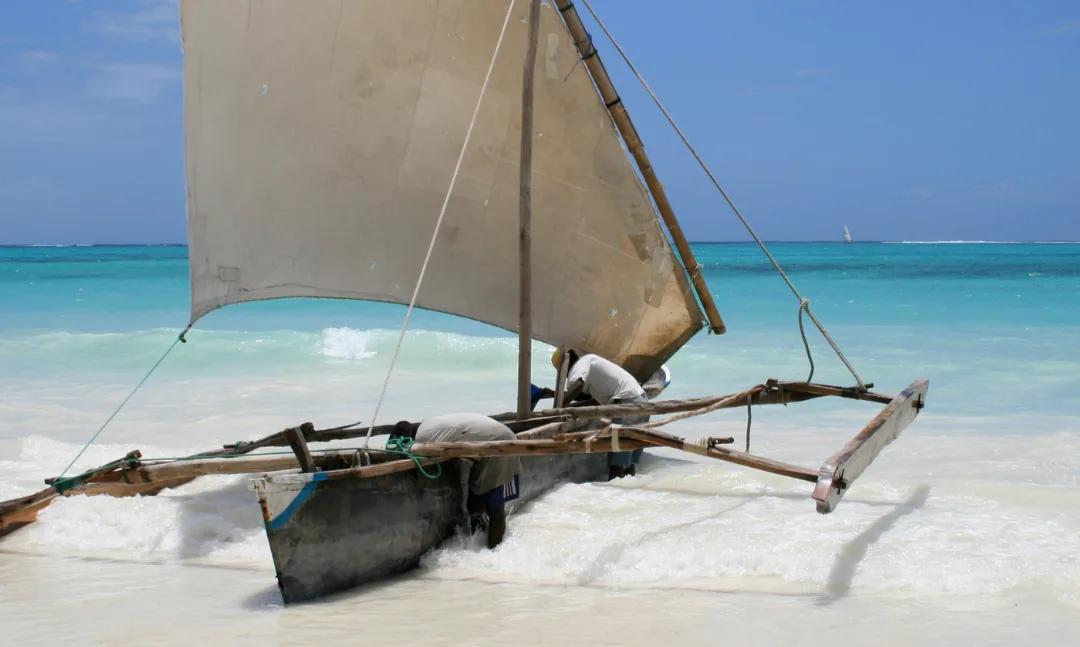
Zanzibar has sites for introductory and certified diving, with suitability determined by qualification, recent experience, current and weather. Share your certification and last-dive date before booking. Kayaking, paddleboarding, jet-skiing and other activities are available in selected areas; our Zanzibar water activities experience can be adjusted to the group and safe operating conditions.
Culture beyond the postcard
Village visits, cooking, fishing traditions and conversations with local hosts can become the most memorable part of an island stay when arranged respectfully. Our Zanzibar Cultural Deep Dive is designed for travellers who want context as well as scenery.
Best time to visit Zanzibar
Zanzibar is warm throughout the year, but rainfall, wind, humidity and sea conditions shape each visit. No month guarantees continuous sunshine, and different coasts can experience different conditions on the same day.
Generally drier and less humid, making this a popular period for beaches, Stone Town and safari combinations. Early booking helps secure preferred rooms.
Hotter, brighter and often humid. This can be excellent for a winter escape, with festive dates carrying higher rates and minimum stays.
Short rains often arrive as showers rather than continuous days of rain, but patterns vary and the sea can change quickly.
The main rains can bring heavy showers, rougher boat conditions and temporary hotel or activity closures. Confirm operations before committing.
Zanzibar tides: what travellers need to know
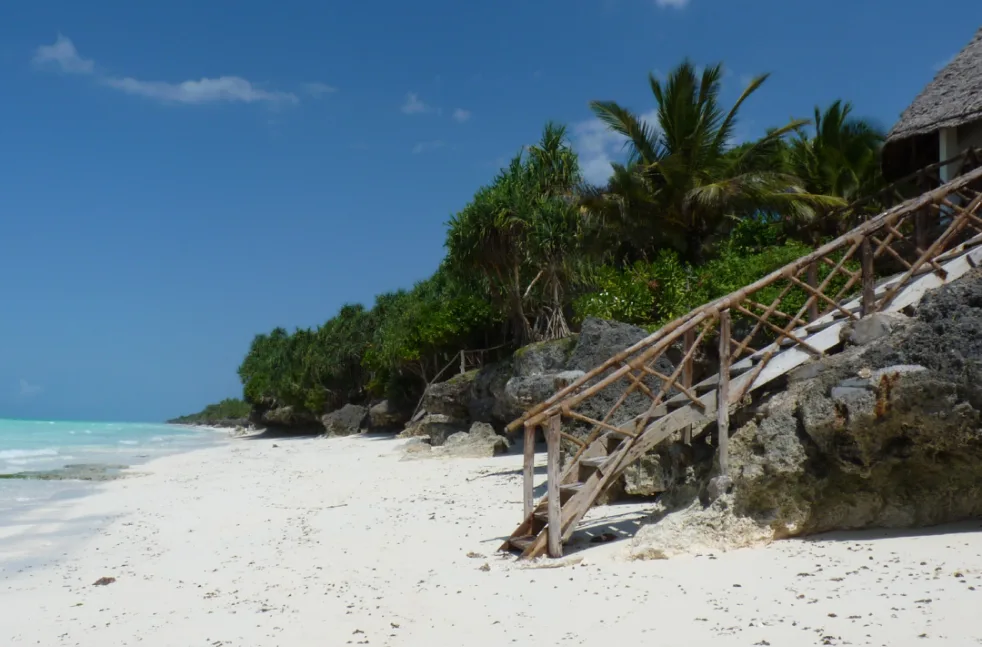
Tides are central to life on Zanzibar. On the east and southeast coasts, low tide may expose broad reef flats and move swimmable water far from shore. This is not a defect; it creates striking scenery, seaweed farming and shore walks, but it matters if all-day swimming directly outside the hotel is your priority.
Ask about the beach in front of the exact property, not only the village name. Pools, nearby swimming points and boat schedules can make a tidal coast work beautifully. Reef shoes may help on suitable shorelines, but do not walk on living coral or enter unfamiliar areas without local advice.
How many days do you need in Zanzibar?
A short beach finish after safari, with little margin for weather and limited time for both Stone Town and the coast.
A practical first visit: one Stone Town night plus four coastal nights, or one base with two carefully chosen excursions.
Recommended for culture, two or three ocean experiences and genuine rest without turning every day into a transfer.
Useful for a two-coast stay, diving course, remote hotel or combining Zanzibar with Pemba Island.
Getting to Zanzibar and moving around
Abeid Amani Karume International Airport receives international and domestic flights. Scheduled flights connect Zanzibar with Dar es Salaam and major safari gateways, making a safari-and-beach itinerary straightforward when connection time is planned properly. Fast ferries also operate between Dar es Salaam and Zanzibar; use a reputable ticket channel and confirm current check-in and identification requirements.
Stone Town and the airport are close, but transfers to northern, eastern or southeastern beaches commonly take one to two hours depending on traffic and the exact property. Pre-arranged transfers reduce confusion on arrival. For excursions, calculate pickup time before selecting a hotel at the opposite end of the island.
Accommodation and Zanzibar holiday cost
Zanzibar ranges from Stone Town heritage hotels and village guesthouses to boutique beach lodges, family resorts and private villas. Price changes with coast, season, room view, meal plan, festive supplements, transfers and included activities. A low nightly rate may become poor value if it is far from every planned excursion or excludes meals where few restaurants are nearby.
Compare the full package: room category, meals, airport transfers, taxes, conservation fees, boat arrangements, equipment and cancellation terms. We confirm whether a quote is bed and breakfast, half board, full board or all inclusive and explain which drinks and excursions remain extra.
Combine Zanzibar with a Tanzania safari
Zanzibar connects naturally with Serengeti, Tarangire, Lake Manyara, Mikumi and Ruaha. Five island nights after safari usually allow recovery plus Stone Town or an ocean excursion without rushing.
Explore the 11-Day Tanzania Safari & Zanzibar or the Tanzania Grand Safari Combo. Travellers focusing entirely on the island can begin with our Zanzibar Island Immersion.
Why book Zanzibar with African Visuals & Safaris?
A Zanzibar holiday works when the coast, hotel and activities match the traveller. African Visuals & Safaris plans the island from Tanzania with local knowledge of transfer distances, tides, safari connections and the practical difference between a beautiful photograph and the experience available on your dates.
We align bush flights, Zanzibar transfers and international departure time as one itinerary, reducing missed connections and duplicate arrangements.
Swimming, nightlife, quiet, kitesurfing, culture, diving and family needs point to different areas; recommendations follow your priorities.
Tide, wind, visibility and wildlife remain natural. We avoid guaranteed sightings and adjust activities when conditions require it.
Accommodation, meals, transfers, boats, entry fees and optional activities are identified before payment.
Responsible travel and practical advice
- Zanzibar is predominantly Muslim. Dress modestly away from hotel beaches and cover shoulders and knees in towns, villages and religious places.
- Ask before photographing people, particularly at markets, villages and places of worship.
- Use licensed boat and dive operators; wear life jackets when required and accept cancellations made for unsafe conditions.
- Do not touch coral, stand on reefs, feed wildlife, remove shells or pressure dolphins and turtles for close encounters.
- Carry reef-conscious sun protection, drinking water and suitable insurance for diving or motorised water activities.
- Check current destination information with the Zanzibar Commission for Tourism.
Zanzibar travel FAQs
How many days are enough for Zanzibar?
Five to seven nights suits most first visits. It allows time for Stone Town, a well-chosen beach base, one or two excursions and rest. Three nights is possible but feels brief after transfer time.
What is the best month to visit Zanzibar?
June to October is generally drier and less humid, while December to February is hot and popular for a winter beach escape. The best month depends on budget, desired activities and tolerance for heat or rain.
Is Nungwi or Paje better?
Nungwi suits travellers wanting easier swimming across more of the tidal cycle, sunsets and a lively resort area. Paje suits kitesurfing, cafes, long tidal scenery and a southeast-coast village atmosphere.
Should I stay in Stone Town?
Yes, for one or two nights if history, architecture and food matter to you. Staying overnight allows an early or evening walk when day-trip traffic is lower, then you can continue to the beach.
Can I swim at Zanzibar beaches all day?
It depends on the coast and tide. Nungwi and Kendwa are usually less affected, while the east coast can have a dramatic low tide. Ask about the exact hotel beach before booking.
Is Mnemba Island open to tourists?
Mnemba Island is privately managed. Most visitor trips snorkel or dive in the surrounding marine area and should not promise a landing. Access and operating rules can change.
Is Zanzibar suitable for families?
Yes. Select manageable transfer times, family rooms, a suitable meal plan and a beach that matches the children’s swimming ability. Private excursions make pace and rest stops easier to control.
Can Zanzibar be combined with a safari?
Yes. Scheduled flights connect Zanzibar with mainland safari gateways. A common plan combines six to nine wildlife nights with five to seven island nights.
What should I wear in Zanzibar?
Beachwear is suitable at hotel beaches and pools. In Stone Town, villages and public places, wear light clothing that covers shoulders and knees as a sign of respect for local culture.
Is Zanzibar the same as Pemba or Mafia Island?
Unguja is the main island commonly called Zanzibar. Pemba belongs to the Zanzibar Archipelago and offers a quieter experience. Mafia Island is a separate Tanzanian island farther south.
Plan a Zanzibar journey that fits the tide and you
Share your dates, group size, preferred hotel style and whether culture, swimming, diving, watersports, a honeymoon or safari combination matters most. African Visuals & Safaris will recommend the right coast and build a clear itinerary.