Tarangire National Park is often the first stop on a northern Tanzania safari, and one of its most underrated. Ancient baobab trees, a river that draws wildlife from far across the region and some of the largest elephant herds in northern Tanzania make it a majestic introduction to the East African safari.
Why visit Tarangire National Park?
Tarangire is known as the “elephant paradise” and the “home of the baobabs”. It lies roughly 2.5–3 hours by road from Arusha, covers around 2,850 square kilometres and is at its best in the dry season from late June to October, when huge numbers of animals gather along the Tarangire River.
A timeless introduction to the safari
While many visitors to Tanzania dream of the Serengeti, Tarangire is a quieter and deeply atmospheric alternative. Established in 1970, the park is named after the Tarangire River, which meanders north through its heart. As you arrive at the gate you are welcomed by giant baobab trees, some of them centuries old, before entering a sprawling landscape of savannah, grassland, swamp and acacia woodland.
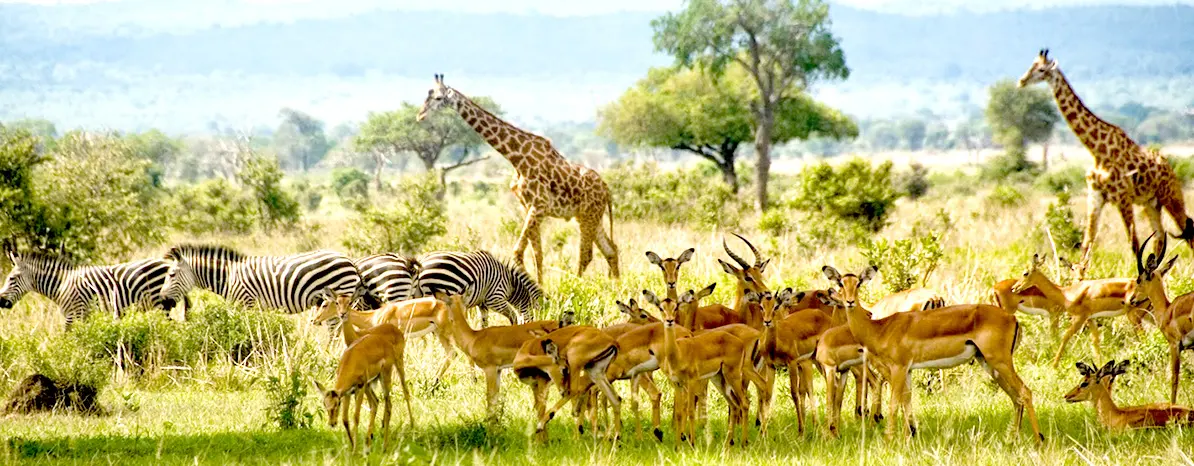
The scenes here feel dream-like and timeless: elephant families walking in single file beneath baobabs, lions resting in the shade and flocks of birds over the river. In the dry season, Tarangire holds one of the highest concentrations of wildlife in Tanzania outside the Serengeti ecosystem.
Large family herds gather along the river in the dry season, creating some of northern Tanzania’s most memorable elephant viewing.
Massive baobab trunks give the park its unique silhouette and make it a favourite for photographers.
The wetlands in the south stay green into the dry season and attract buffalo, elephants and predators.
More than 500 bird species have been recorded, from ostriches and kori bustards to colourful lovebirds and hornbills.
Location and how to get there
| From | By road | By air |
|---|---|---|
| Arusha | Roughly 2.5–3 hours | Short scheduled or charter flight to Kuro Airstrip |
| Kilimanjaro International Airport | Roughly 3–4 hours | Charter connections may be available |
| Karatu / Ngorongoro | About 1.5 hours from the park gate to Karatu | – |
| Lake Manyara | About 1 hour | – |
Tarangire lies in the Manyara Region of northern Tanzania. We recommend arriving early in the morning so you can enjoy a full day of game drives. Road times are approximate and depend on stops and road conditions.
Animals you can see in Tarangire
Want to impress your guide? Here are the main animals with their Swahili names. Learn more in our guide to Swahili animal names.
| Animal | Swahili | Animal | Swahili |
|---|---|---|---|
| Elephant | Tembo | Giraffe | Twiga |
| Lion | Simba | Leopard | Chui |
| Cheetah | Duma | Hyena | Fisi |
| Cape buffalo | Nyati | Zebra | Pundamilia |
| Wildebeest | Nyumbu | Impala | Swala pala |
| Grant’s gazelle | Swala granti | Waterbuck | Kuro |
| Dik-dik | Dikidiki | Banded mongoose | Nguchiro |
| Honey badger | Nyegere | Olive baboon | Nyani |
| Vervet monkey | Tumbili | Fringe-eared oryx | Choroa |
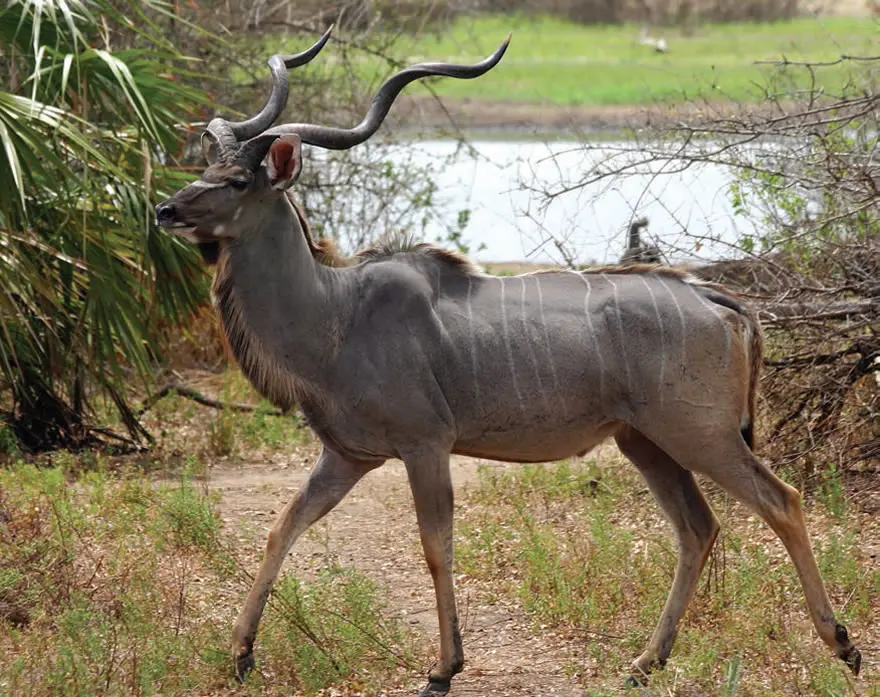
Look out for Tarangire specialities that are harder to find elsewhere on the northern circuit, such as the fringe-eared oryx and the lesser kudu. Wildlife is wild, so sightings are never guaranteed, but a full day in the dry season rarely disappoints.
Things to do in Tarangire
- Guided game drives through the park’s many landscapes: river valley, baobab woodland, open plains and the Silale Swamp.
- Walking safaris with an armed ranger, where permitted, for a close look at tracks, plants and smaller creatures.
- Night game drives at selected lodges and conservation areas in the wider Tarangire ecosystem, where nocturnal animals such as bushbabies and genets come out.
- Baobab and landscape photography, especially in the soft light of early morning and late afternoon.
- Birdwatching along the river and wetlands, rewarding all year and spectacular in the green season.
Best time to visit Tarangire
| Months | Season | What to expect |
|---|---|---|
| Late June – October | Dry season (best) | Thirsty animals gather in huge numbers along the Tarangire River and around the Silale Swamp. Peak game viewing. |
| November – December | Short rains | The landscape turns green and many herds start to spread out of the park; good value and fewer vehicles. |
| January – February | Short dry spell | Warm and green with excellent birdlife; resident wildlife remains, although herds are more dispersed. |
| March – May | Long rains | Lush and quiet, with many animals grazing beyond the park; some tracks can be muddy. |
Tarangire is part of a wider ecosystem: in the rainy season many animals move out to the surrounding plains, and as the land dries they return to the permanent water of the Tarangire River. That is why the dry season is so rewarding. Compare all regions in our month-by-month guide to the best time to visit Tanzania.
What to pack for Tarangire
- Neutral-coloured clothing (khaki, beige, olive). Avoid dark blue and black, which can attract tsetse flies in the woodlands.
- A hat, sunglasses, sunscreen and a light jacket for early mornings.
- Binoculars and a camera with a zoom lens.
- Insect repellent and any personal medication.
How Tarangire fits into a Tanzania itinerary
Tarangire is the natural opening or closing park of a northern-circuit safari from Arusha. It combines easily with Lake Manyara, the Ngorongoro Crater and the Serengeti, and one or two nights are enough to enjoy it without rushing. Our 11-Day Tanzania Safari & Zanzibar includes Tarangire together with Lake Manyara, the Serengeti and the Ngorongoro Crater, followed by beach time on Zanzibar.
Where to stay in and around Tarangire
Where you sleep changes the rhythm of your safari. A lodge inside the park gives you an earlier start and more time on wildlife routes. Camps near the gates or in the wider Tarangire ecosystem can offer strong value, broader room choices and, at selected properties, activities such as night drives or guided walks.
Tarangire Safari Lodge, Tarangire Sopa Lodge and Tarangire Simba Lodge suit travellers looking for dependable comfort and convenient game-drive access.
Honeyguide Tarangire Camp, Kuro Tarangire, Oliver’s Camp and Mbali Mbali Tarangire River Camp offer a closer-to-nature safari atmosphere.
Lemala Mpingo Ridge, Sanctuary Swala and Nimali Tarangire combine secluded settings with a higher level of privacy and service.
Tarangire Treetops and camps around Lake Burunge can work well when you want private-concession activities alongside park game drives.
Some properties are inside Tarangire National Park while others sit near a gate or in neighbouring conservation areas. Availability, operating seasons and included activities change, so we confirm the exact location, travel time and inclusions in your quotation before you book.
Park rules and practical planning
- Stay in the vehicle except at designated places or during an authorised walking activity.
- Never block elephants or other animals moving toward water, and always follow your guide’s instructions.
- Bring drinking water, sun protection, binoculars and insect repellent; a 4×4 is strongly recommended in wet conditions.
- Park fees and activity rules can change. Check the latest information on the official TANAPA Tarangire visitor guide or ask us to verify it for your travel dates.
Wildlife distribution changes between wet and dry periods. Your guide adjusts each day’s route to water, road and vegetation conditions to give you the best chance of great sightings.
Tarangire National Park: FAQs
How far is Tarangire National Park from Arusha?
Tarangire is roughly 2.5–3 hours by road from Arusha, depending on your starting point, traffic, stops and road conditions. Scheduled and charter flights may also connect to Kuro Airstrip inside the park.
What is Tarangire National Park famous for?
Tarangire is famous for its large elephant herds and ancient baobab trees, which is why it is called the elephant paradise and the home of the baobabs. It is also excellent for birdwatching, with more than 500 species recorded.
When is the best time to visit Tarangire?
The best time is the dry season from late June to October, when large numbers of animals gather along the Tarangire River and around the Silale Swamp. The green season from November to May is quieter and great for birds.
How many days do you need in Tarangire?
One full day of game drives shows you the highlights, and two nights allow a slower pace with time to explore the quieter southern areas. Most northern-circuit itineraries include one or two nights in or near Tarangire.
How big is Tarangire National Park?
Tarangire National Park covers about 2,850 square kilometres in the Manyara Region of northern Tanzania. It was established as a national park in 1970.
Can you do a walking safari in Tarangire?
Yes. Walking safaris are possible with an armed ranger where permitted, and some lodges in the wider Tarangire ecosystem also offer night game drives. Ask us to include these when you plan your trip.
Which accommodation is best for Tarangire?
Choose according to budget, park access and travel style. Tarangire Safari Lodge, Tarangire Sopa Lodge and Tarangire Simba Lodge offer classic comfort; Honeyguide, Kuro and Oliver’s Camp offer intimate tented stays; Lemala Mpingo Ridge and Sanctuary Swala suit premium trips. We confirm current availability and the exact location before booking.
Ready to see Tarangire’s elephants and baobabs?
Send us your travel dates and group size. We will plan a northern-circuit safari that includes Tarangire at the right pace and send you a clear quotation.