Lake Manyara National Park is a compact Rift Valley safari destination with an extraordinary range of scenery. Within one game drive, the landscape changes from lush groundwater forest to acacia woodland, open floodplain, hot springs and the shores of an alkaline lake alive with birds.
Why visit Lake Manyara National Park?
Lake Manyara is ideal for travellers who want varied scenery, excellent birding, close encounters with baboons and blue monkeys, and the chance to look for the park’s famous tree-climbing lions. The park covers about 648.7 square kilometres and lies roughly 2–2.5 hours by road from Arusha, making it an easy addition to a northern Tanzania safari.
A small park with remarkable contrasts
Lake Manyara rests beneath the steep western wall of the Great Rift Valley. Freshwater springs emerging at the base of the escarpment feed a cool, evergreen forest near the entrance. Farther south, the forest opens into woodland, grassland, wetland and the shallow soda lake that gives the park its name.
This rapid change of habitat is what makes Manyara special. In a relatively short drive you can watch monkeys moving through fig trees, elephants browsing in the woodland, hippos resting in the pools and waterbirds feeding along the shoreline. The lake and its wildlife change with rainfall, water level and season, so every visit has a different character.
A spring-fed canopy of mahogany and fig trees shelters blue monkeys, baboons, bushbuck and colourful forest birds.
The alkaline lake attracts pelicans, storks and seasonal gatherings of lesser and greater flamingos when conditions are suitable.
The towering escarpment, floodplain, hot springs and lake create one of northern Tanzania’s most varied landscapes.
Manyara is celebrated for lions resting in acacia branches, although these wild and elusive cats are never a guaranteed sighting.
Location and how to get there
Lake Manyara National Park lies just south of Mto wa Mbu on Tanzania’s northern safari circuit. The main gate is near the base of the Rift Valley escarpment, and the approach from Arusha follows a good paved road.
Approximately 125 kilometres, usually 2–2.5 hours by road depending on traffic, stops and your starting point.
Scheduled and charter flights use Manyara Airstrip. We arrange the road transfer between the airstrip, your lodge and the park gate.
Manyara combines naturally with Tarangire. Driving time varies by lodge and route, but it normally fits comfortably into the next safari day.
Continue through Mto wa Mbu and climb the Rift Valley escarpment toward Karatu and the Ngorongoro highlands.
Road and flight times are approximate. We confirm the current schedule and realistic transfer time when preparing your itinerary.
Lake Manyara size and landscape
Lake Manyara National Park covers approximately 648.7 km², with about 262.7 km² occupied by the lake according to current TANAPA information. Because the shoreline expands and contracts with rainfall, the proportions of water, mudflat and grazing land change through the year.
The lake is alkaline and supports algae and other microscopic life that feed waterbirds. Flamingo numbers are seasonal and may vary greatly; a good Manyara safari should therefore focus on the complete ecosystem rather than promise a pink shoreline on a particular date.
Animals and birds you may see
Manyara is especially rewarding for primates, elephants, hippos and birdlife. Common or possible sightings include:
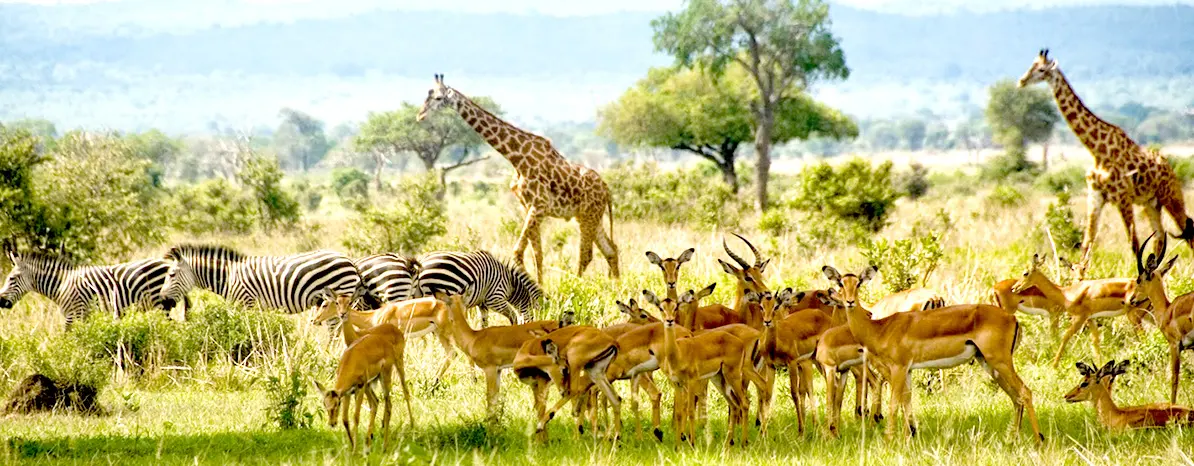
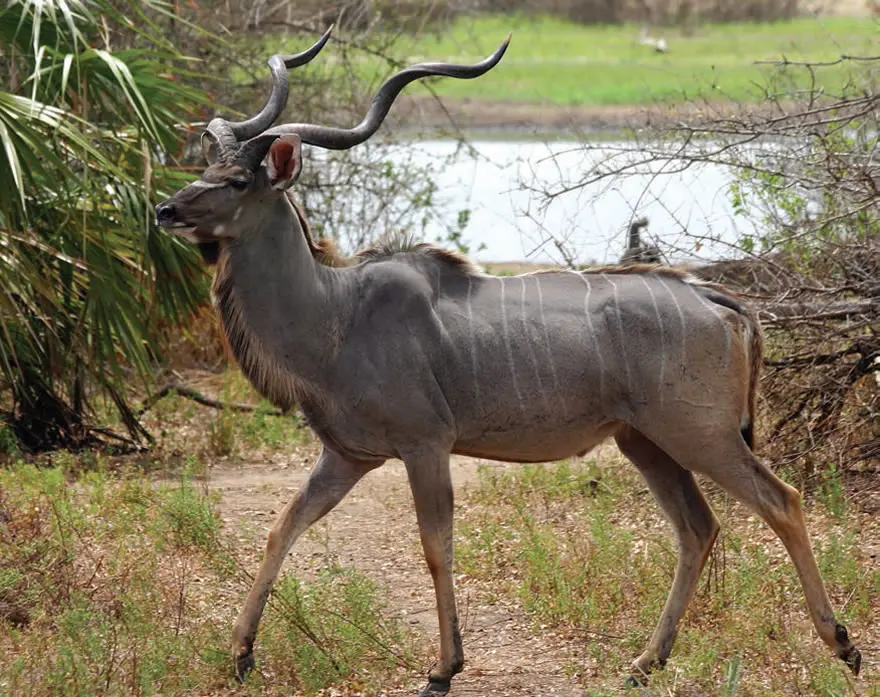
- Large mammals: elephant, Cape buffalo, giraffe, hippo, wildebeest, zebra, impala, waterbuck and warthog.
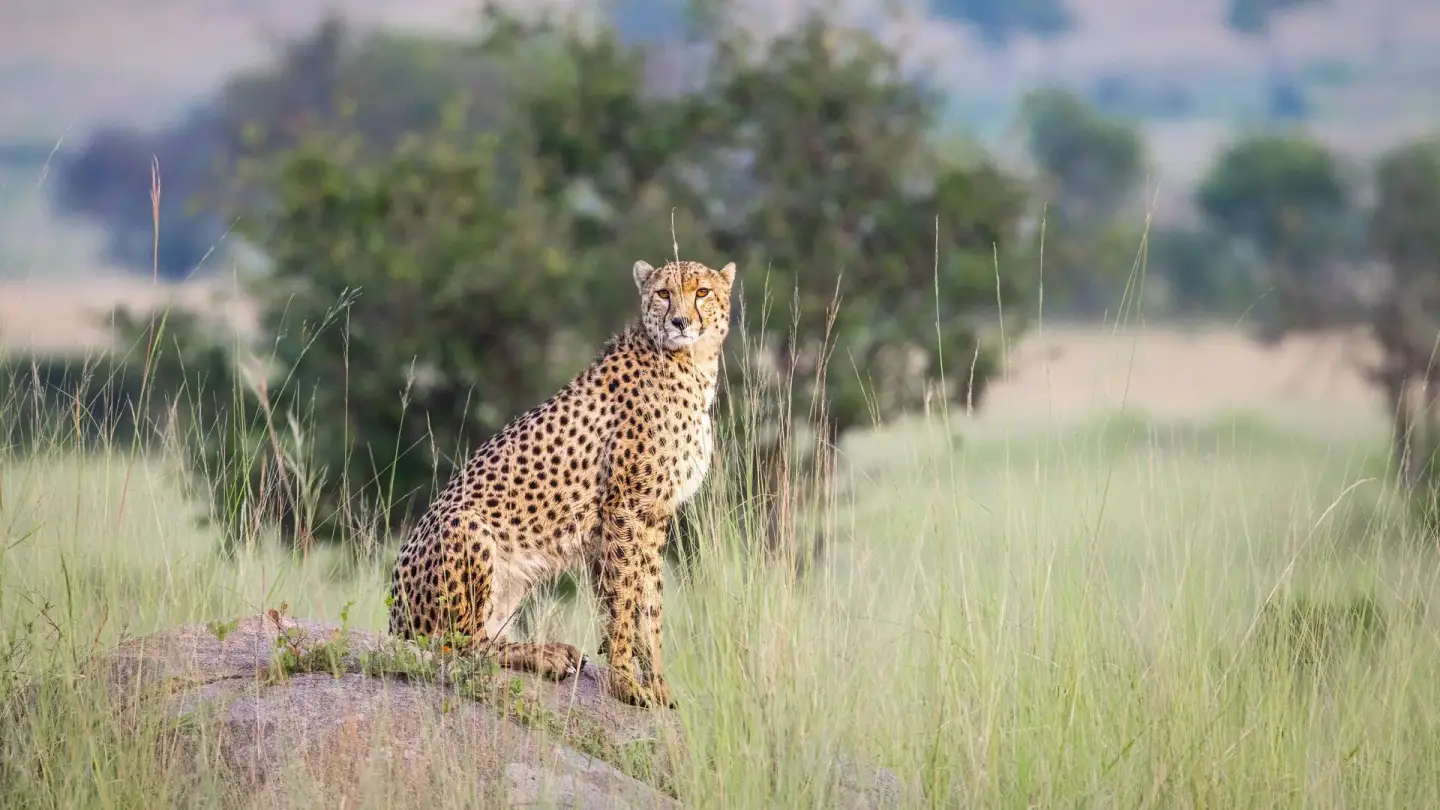
- Predators: lion and leopard, both naturally elusive. Tree-climbing behaviour is possible, but cannot be scheduled or guaranteed.
- Forest wildlife: large troops of olive baboons, blue monkeys, vervet monkeys, bushbuck and smaller forest animals.
- Birdlife: flamingos, pelicans, storks, herons, spoonbills, kingfishers, hornbills, bee-eaters, fish eagles and many seasonal migrants.
More than 400 bird species have been recorded across the park’s forest, wetland, woodland and lakeshore habitats. Learn useful animal names before your trip in our guide to Swahili safari words and animal names.
Best things to do in Lake Manyara
- Day game drives through the groundwater forest, acacia woodland, floodplain and lakeshore routes.
- Birdwatching in the forest, wetlands and along the alkaline lake.
- Canopy walkway for a different view of the forest, birds, butterflies and monkeys.
- Walking safaris with an authorised guide or armed ranger where permitted.
- Night game drives where permitted, offering a chance to look for nocturnal wildlife.
- Canoeing when lake level, weather and park operations allow it.
- Hot springs and viewpoints in the southern part of the park and along the Rift Valley landscape.
Activities depend on weather, road access, water level, permits and current park operations. We verify availability before adding a special activity to your quotation.
Mto wa Mbu cultural experiences
Mto wa Mbu is the lively gateway town beside the park. Its farms, markets, workshops and mix of Tanzanian cultures make it a valuable complement to a wildlife day. With a reputable local guide, visitors may take a village walk, visit banana and rice farms, meet artisans, enjoy a local lunch or cycle through the surrounding countryside.
These experiences work best when they are community-led, respectful and arranged in advance. We choose an activity according to your available time, fitness and interests instead of packing several rushed stops into one afternoon.
Best time to visit Lake Manyara
Dryer weather, easier game viewing and reliable road conditions. Wildlife may gather around remaining water sources.
Short rains refresh the landscape. Migrant birds begin to arrive and visitor numbers can be lower.
Warm, often green and good for birding, with a relatively dry spell between the main rains.
The long-rain season brings lush scenery and strong birdlife, although some routes can become muddy or temporarily inaccessible.
Lake Manyara is open year-round. Choose the dry season for straightforward game viewing and the green season for rich colour, fewer vehicles and birding. See our month-by-month Tanzania safari guide for a wider comparison.
How Lake Manyara fits into your itinerary
Manyara sits naturally between Arusha, Tarangire and the Ngorongoro highlands. A full-day visit works well at the beginning or end of a northern-circuit safari, while an overnight stay gives you a more relaxed morning and time for a cultural or active experience around Mto wa Mbu.
Our 11-Day Tanzania Safari & Zanzibar combines Lake Manyara with Tarangire, Serengeti and Ngorongoro before beach time in Zanzibar. Travellers wanting a broader wildlife-focused journey can also explore our Tanzania Grand Safari Combo.
Where to stay near Lake Manyara
Most travellers stay around Mto wa Mbu, on the Rift Valley escarpment or in Karatu. The right base depends on whether the next day takes you into Manyara, toward Ngorongoro or back to Tarangire.
Lake Manyara Serena Safari Lodge offers established lodge comfort and wide views from the escarpment.
Escarpment Luxury Lodge Manyara is close to the park and suits travellers who want spacious accommodation overlooking the lake and forest.
Manyara’s Secret offers small-scale villas near Lake Manyara, with options suited to couples, families and private groups.
Mto wa Mbu and Karatu have camps, guesthouses and lodges across several budgets, with practical access to the next safari stop.
Availability, rates and inclusions change by season. We confirm the current property, room type, meal plan, transfer time and cancellation terms before you book.
Practical planning and park rules
- Stay inside the vehicle except at designated sites, boardwalks or during an authorised guided activity.
- Do not feed baboons or monkeys, and secure food at picnic areas.
- Keep a safe distance from elephants, hippos and predators, and follow your guide’s instructions.
- Bring drinking water, sun protection, insect repellent, binoculars and a light layer for the early morning.
- Park fees, activity rules and road access may change. Check the official TANAPA Lake Manyara visitor guide or ask us to verify the latest details.
Lake level, flamingo numbers, wildlife movement and road access change with rainfall. Our guides adapt the game drive to current conditions and focus on the habitats producing the best experience that day.
Lake Manyara National Park: FAQs
How far is Lake Manyara National Park from Arusha?
The main gate is approximately 125 kilometres from Arusha. The drive normally takes around 2–2.5 hours on a paved road, depending on traffic, stops and your exact starting point.
What is Lake Manyara National Park famous for?
It is famous for its Rift Valley scenery, groundwater forest, diverse birdlife, elephants, large baboon troops and the possibility of seeing tree-climbing lions. The alkaline lake can also attract seasonal gatherings of flamingos.
Are tree-climbing lions guaranteed in Lake Manyara?
No. Lions are wild and sightings depend on their movement, weather, vegetation and the time available for your drive. The park remains rewarding for its forest, primates, elephants, birds and landscapes even when the lions stay out of sight.
Can I always see flamingos at Lake Manyara?
No. Flamingo numbers change with water level, salinity, food conditions and wider regional movement. They may appear in impressive numbers at suitable times, but no ethical operator should guarantee them for a specific date.
How many days do I need at Lake Manyara?
One full game-drive day is enough for the main habitats. One overnight stay creates a more relaxed pace and can allow time for a canopy walk, night drive, guided walk or Mto wa Mbu cultural experience where available.
When is the best time to visit Lake Manyara?
The park is rewarding throughout the year. June to October generally offers drier roads and straightforward game viewing, while November to May brings greener scenery, migrant birds and fewer visitors, with a greater chance of muddy tracks during the long rains.
Can Lake Manyara be combined with Tarangire and Ngorongoro?
Yes. Its position on the northern circuit makes it easy to combine with Tarangire, Karatu, the Ngorongoro Crater and the Serengeti. We arrange the sequence to reduce backtracking and match lodge locations with each day’s route.
Ready to explore Lake Manyara?
Tell us your travel dates, group size and preferred comfort level. African Visuals & Safaris will build a clear northern Tanzania itinerary and quotation around your pace.