Tanzania brings several journeys into one country: the wildlife-rich plains of the Serengeti, the natural amphitheatre of Ngorongoro, the summit of Mount Kilimanjaro and the warm Indian Ocean around Zanzibar and Pemba. This guide explains when to travel, where to go, what a safari feels like and how to build an itinerary that fits your time, interests and budget.
When is the best time to visit Tanzania?
Tanzania is a year-round destination. June to October is generally drier and popular for wildlife safaris. January and February are valued for the southern Serengeti and Ndutu calving season. March to May brings the main rains, greener scenery and lower rates at some properties, while November and December often bring shorter rains. Weather and wildlife movement vary, so choose dates for the places and experiences that matter most to you.
One country, many different adventures
Tanzania rewards travellers who look beyond a single headline attraction. The northern circuit connects famous parks with varied landscapes and efficient road routes. Southern Tanzania offers large wilderness areas and fewer safari vehicles. The west feels remote and adventurous, while the coast and islands add Swahili history, coral reefs and time beside the ocean.
You can follow a first safari with a beach stay, combine Kilimanjaro with wildlife, or focus entirely on one region. A strong itinerary leaves enough time in each place and avoids turning every day into a transfer.
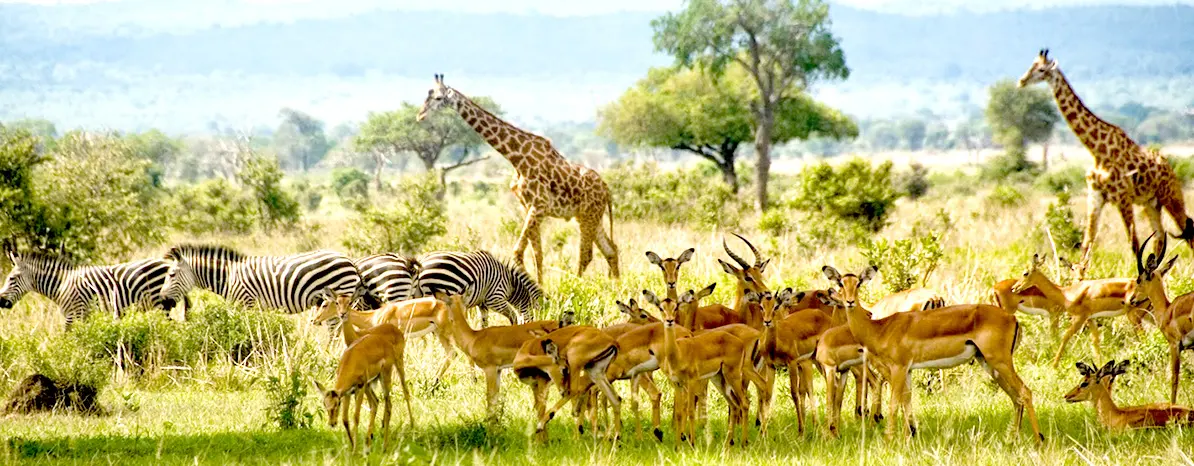
Vast grasslands, resident predators and the year-round movement of wildebeest, zebra and gazelles create Tanzania’s best-known wildlife experience.
Descend into a compact wildlife-rich caldera, then explore the wider conservation area, highlands and Maasai landscapes.
Climb Africa’s highest mountain on a multi-day route with trained guides, porters and a pace designed for acclimatisation.
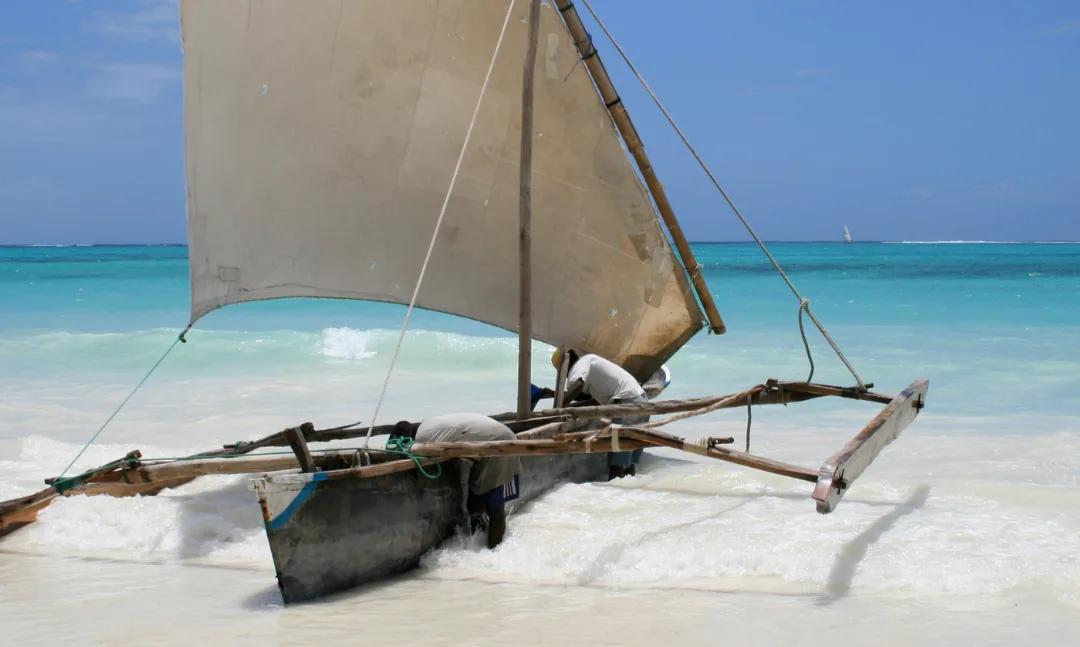
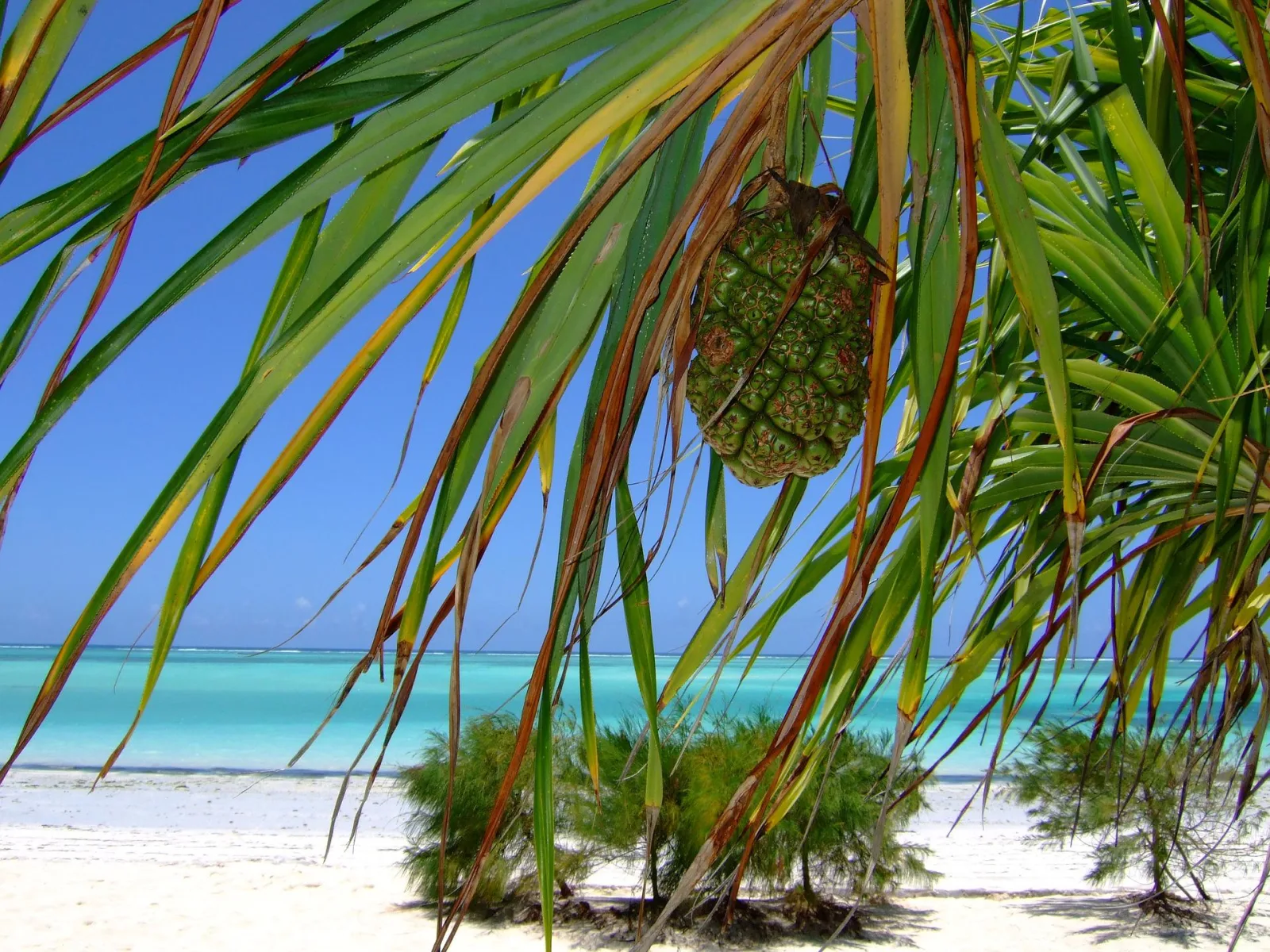
End beside the Indian Ocean with Stone Town, spice farms, dhow trips, beaches, diving and living Swahili culture.
Tanzania’s main safari regions
Northern Tanzania
The northern circuit is the classic choice for a first Tanzania safari. Serengeti National Park, the Ngorongoro Conservation Area, Tarangire National Park, Lake Manyara National Park and Arusha can be joined by road or scheduled light aircraft. Allow enough time for the distances: a well-paced itinerary normally gives the Serengeti several nights and uses Tarangire, Manyara or Ngorongoro as experiences rather than quick photo stops.
Southern Tanzania
Nyerere National Park and Ruaha National Park offer immense landscapes, strong wildlife viewing and a quieter atmosphere. Depending on camp and season, activities can extend beyond conventional game drives to boating or guided walking where permitted. Mikumi National Park is a practical safari option from Dar es Salaam and works especially well for travellers with limited time.
Western Tanzania
Katavi, Mahale Mountains and Rubondo suit travellers who value remoteness and have more time and budget for flights. Mahale Mountains National Park combines Lake Tanganyika with guided chimpanzee tracking, while Katavi National Park is known for an uncrowded wilderness experience. Rubondo Island adds forest, lake and conservation-focused activities.
Mountains, coast and islands
Mount Kilimanjaro requires preparation, suitable equipment and a realistic acclimatisation schedule. On the coast, Zanzibar mixes beaches with Stone Town and cultural experiences. Pemba Island is quieter, greener and particularly appealing to divers and travellers who enjoy remote island stays.
Tanzania seasons at a glance
Comfortable safari conditions and wildlife gathering around dependable water make this a popular period. Book early for sought-after camps and guides.
The southern Serengeti and Ndutu area often host calving herds. Northern Tanzania can be warm, green and excellent for photography.
Landscapes are lush and some rates fall, but heavy rain can affect roads, flights, activities and the seasonal operation of certain camps.
Rain commonly arrives in brief showers, although patterns vary. The bush turns greener and visitor numbers may be lower outside festive dates.
River crossings are natural events and can never be guaranteed. Their timing shifts with rainfall and herd movement. If the migration is your priority, we will choose the Serengeti area and number of nights around the seasonal pattern while keeping expectations honest. Read our detailed month-by-month Tanzania safari guide.
Wildlife you may see
Tanzania supports elephants, lions, buffalo, giraffes, zebras, wildebeest, hippos, crocodiles, cheetahs, hyenas, many antelope species and exceptional birdlife. Leopards are naturally elusive, and the critically endangered black rhino is rare. No responsible guide can promise a specific wild animal, but skilled guiding, sensible timing and enough time in each habitat improve your opportunities.
The Great Migration is a continuous cycle rather than a single event. Herds spread across the wider Serengeti ecosystem in response to rain and fresh grass. Away from the migration, resident wildlife keeps the Serengeti rewarding, while Tarangire, Ngorongoro, Ruaha, Nyerere and other parks each offer different habitats and animal behaviour.
What accommodation can you expect?
Permanent rooms or cottages with private bathrooms, dining areas and established facilities; some include pools and broad landscape views.
Permanent, seasonal or mobile canvas suites that combine beds, private bathrooms and meals with a close connection to the bush.
Public and special campsites offer a simpler, adventurous experience. Equipment, meals, crew, bathrooms and park rules vary by arrangement.
Zanzibar and Pemba range from locally run guesthouses and boutique hotels to full-service beach resorts and private island retreats.
Location is as important as room category. A camp inside or close to the area you want to explore can reduce driving and create better wildlife hours. We compare access, meal plans, family policies, seasonal opening dates and transfer requirements before recommending a stay.
What does a Tanzania safari feel like?
Expect early starts, changing weather, dusty or bumpy roads and long stretches through extraordinary landscapes. Wildlife chooses its own schedule, so patience often produces the most memorable moments. Mobile signal and internet can be limited, especially in remote parks, and light-aircraft flights apply strict luggage limits.
Most days include morning and afternoon game viewing or a longer full-day drive with a packed lunch. Your guide adjusts the day to wildlife reports, park rules, road conditions and your interests. Share mobility, dietary and medical needs before booking so the right vehicle, rooms and activities can be arranged.
How much does a Tanzania safari cost?
There is no single Tanzania safari price. The final cost is shaped by the number of travellers sharing a private vehicle, season, park and conservation fees, accommodation level, route, internal flights, special activities and the length of any Zanzibar stay. Solo travellers usually pay more per person because they carry the guide and vehicle costs alone; a family or small group can share those fixed costs.
Peak dates and festive periods often bring higher room rates, supplements and minimum stays. Green-season travel can offer value, but the cheapest itinerary is not always the best value if it creates rushed drives, weak locations or unclear inclusions. Ask for a written quotation showing accommodation, meals, transport, fees, activities and exclusions. See our guide to booking a Tanzania safari early.
A Tanzania trip becomes stronger when the route matches your season and leaves time to observe. Tell us whether wildlife, photography, culture, climbing, diving, beaches or family time matters most, and we will build around those priorities.
Health, entry and travel safety
Entry rules, vaccination advice and travel advisories can change. Check the official Tanzania Immigration visa guidelines and consult a qualified travel-health professional well before departure. Comprehensive insurance should cover the activities in your itinerary, medical care, evacuation, delays and cancellation.
- Follow your guide and park rules, stay inside the vehicle unless your guide confirms it is safe to leave, and never feed wildlife.
- Use arranged transport in cities, avoid displaying valuables and ask your hotel or guide for current local advice.
- Dress respectfully in towns, villages and religious places, especially on Zanzibar and Pemba.
- Carry copies of essential documents and keep originals, cash and cards secure.
Our Tanzania visa and travel safety guide gives a fuller planning checklist. Tanzania National Parks also publishes official park planning information.
Sample ways to combine Tanzania
Tarangire, Ngorongoro and Serengeti with time in Arusha. Add Lake Manyara when it fits the season and route.
Combine the northern circuit with Zanzibar for wildlife, Swahili culture and a relaxed Indian Ocean finish.
Link Nyerere and Ruaha by air, or choose Mikumi and Nyerere for a route beginning around Dar es Salaam.
Allow a suitable Kilimanjaro route, recovery time and several unhurried wildlife days rather than compressing both journeys.
For inspiration, explore our 11-day Tanzania safari and Zanzibar journey or the Tanzania Grand Safari Combo. Every route can be adjusted around your dates, comfort level and priorities.
Tanzania travel FAQs
What is the best month for a Tanzania safari?
There is no single best month. June to October is generally dry and popular, January and February suit calving-season travel in the southern Serengeti ecosystem, and green-season months can offer lush scenery and fewer visitors. The best choice depends on your route and priorities.
How many days do you need in Tanzania?
Eight to ten days works for a well-paced northern safari. Allow eleven to fourteen days when combining safari with Zanzibar, and more when adding Kilimanjaro or remote southern and western parks.
Can I see the Big Five in Tanzania?
Tanzania is home to lion, leopard, elephant, buffalo and black rhino, but sightings are never guaranteed. Rhino are rare and leopard can be elusive, so time, patience and an experienced guide matter.
When can I see the Great Migration?
The migration moves through the Serengeti ecosystem throughout the year. Its location changes with rainfall and grazing. Calving often occurs in the south early in the year, while northern river-crossing opportunities are generally sought later in the dry season, but nature sets the timing.
Is Tanzania suitable for a family safari?
Yes. Choose shorter transfers, family rooms, a private vehicle and camps whose age rules fit your children. Some walking, boating and chimpanzee activities have minimum ages, which we confirm before booking.
Can I combine a safari with Zanzibar?
Yes. Scheduled flights connect major safari areas with Zanzibar, making a wildlife-and-beach itinerary practical. Four or five island nights usually provide time for rest plus Stone Town, a spice or ocean experience.
Why do Tanzania safari prices vary so much?
Prices change with season, group size, lodge level, park fees, route, internal flights and included activities. Compare complete written inclusions and the location of each property rather than the headline price alone.
Ready to build your Tanzania journey?
Send African Visuals & Safaris your dates, group size, preferred comfort level and must-see experiences. We will design a realistic route and provide a clear quotation.